(Originally published in AMA Art Magazine.)
The population of the wider Portland metropolitan area has increased at a consistent pace every year since 1950. The population of downtown Portland, however, has experienced large swings up and down, especially in recent decades. In the decade before COVID, Portland’s city centre was perceived by many industries as the hottest prospect in the United States. Numerous trendy hotel chains like the Hoxton opened outposts downtown, adding more than 4,000 new hotel beds to the area between 2010 and 2020. There was a corresponding increase in restaurant tables, spa appointments, bar stools and rideshare operators.
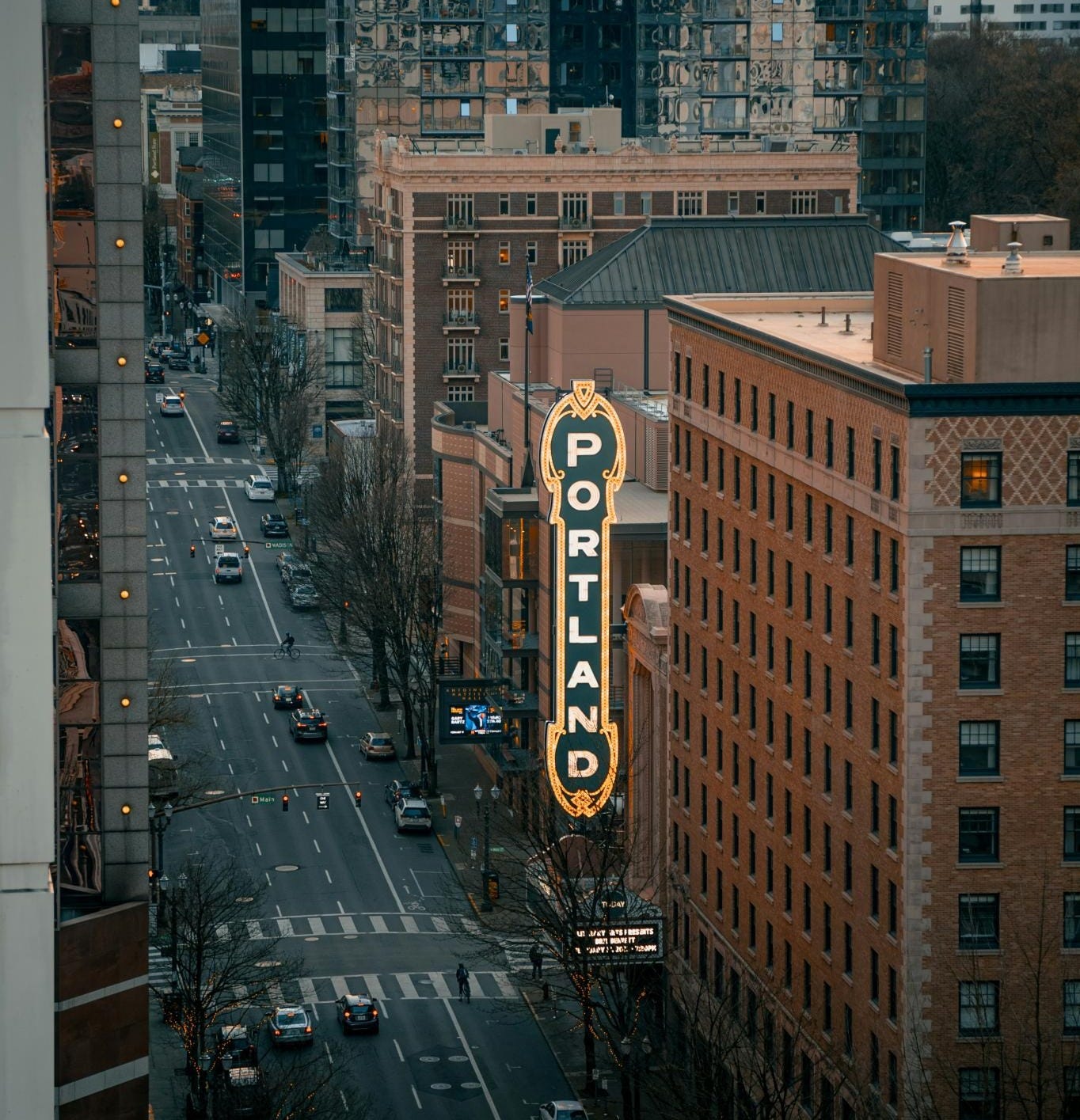
Then COVID hit. Along with the effects of societal shutdown, Portland made headlines during the pandemic as a locus for social unrest around economic disparity and racial injustice. News footage of boarded storefronts, fires, apparent riots and widespread tagging gave the impression the city was an exploding tinderbox. Few people were booking those new hotel rooms or partaking in any of the adjacent goods and services.
Between 2020 and 2025, downtown Portland lost around 17,000 permanent residents. A corresponding drop in real estate value has been observed. Simultaneously, there has been an increase in homelessness. Meanwhile, Portland experimented with drug decriminalisation. That went so poorly that even advocates of the idea have acknowledged its disturbing ramifications.
There is, however, a bright spot in this darkness. Portland’s art field appears as strong, vibrant and unified as ever. One theory floated by some who work in the field is that the people who have left the city centre were never the people who the arts community relied upon anyway. However, most stakeholders believe the driving force behind the scene’s cohesion is an ingrained sense of collaboration. At every level, it is clear Portland’s art community is in it together.
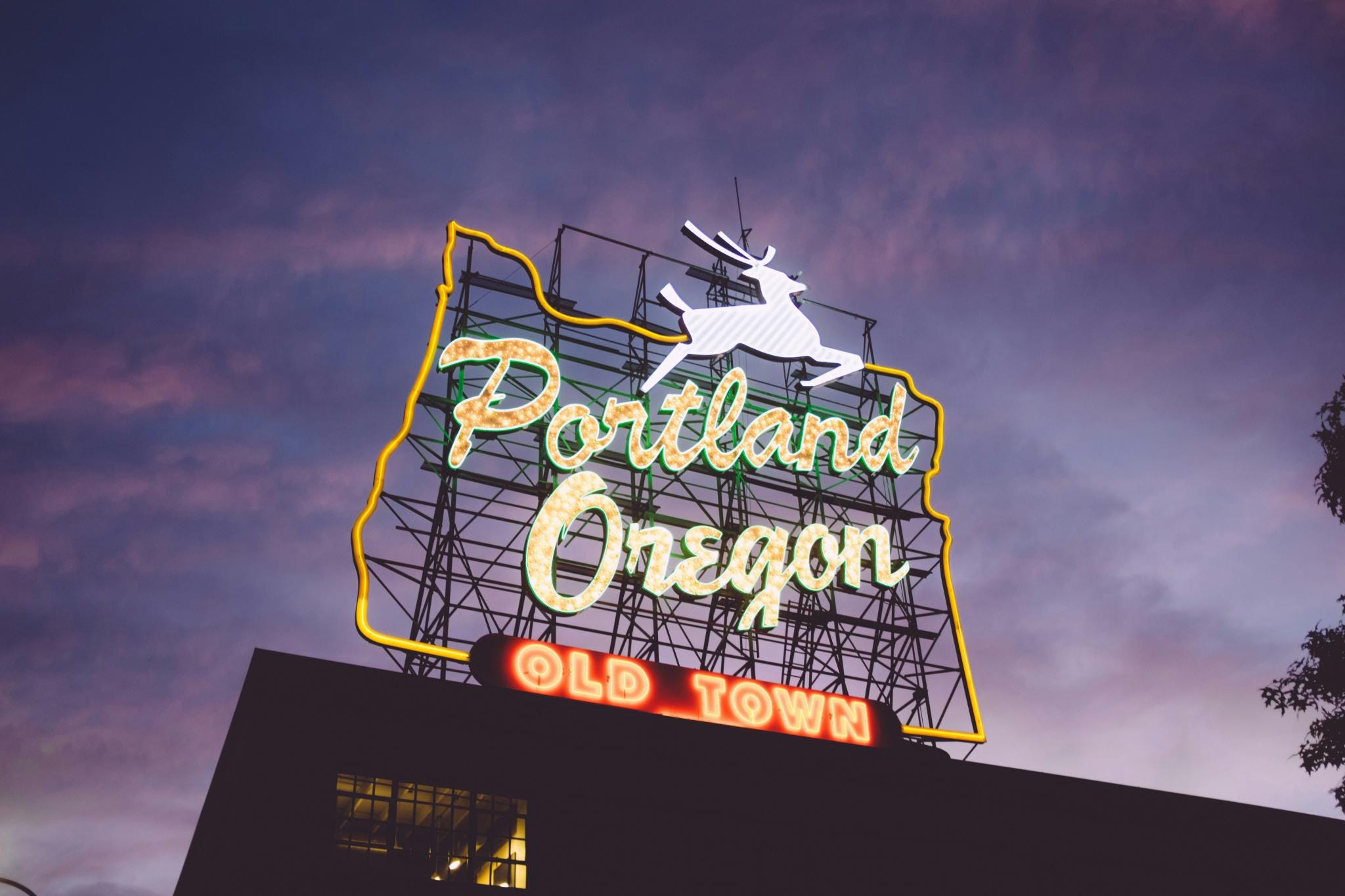
City view
One direct way Portland’s government supports the arts is through the city’s $35 art tax — a flat tax paid by all residents who make more than $1,000 per year and whose household is above the federal poverty line. Chariti Montez is the Director of the Portland Office of Arts and Culture. Her office manages the art tax. “The way it was approved was to improve education and art experiences for students, explains Montez. We give out millions of dollars to arts organisations in operating support, unrestricted funds. Around 80 organisations receive that money. We partner with three different arts nonprofits to distribute grants. We also support music, non-performance based works and celebrate Black arts in Portland.”
Montez notes that when the population of the city declines, that affects the amount of money collected for the art tax. “We definitely felt it was a little crunchy during the pandemic when everything was shut down and we started seeing people moving to the suburbs.” But when the downtown population was booming, that was also challenging for artists, Montez says. “When all those hotels and apartments were coming in, we saw dedicated art spaces going away. Artists were losing the spaces as they were getting redeveloped. So the physical space where people make and share their art was being lost.”
Another way the city government strives to assist the artist community is through support of events that bring art audiences back downtown. For example, Montez says, all those folks who moved out to the suburbs seem to still come downtown for certain specific events, such as the PDX Jazz Festival and the Portland Winter Lights Festival. Those events are in February and March, the coldest, wettest time of year in Portland, yet around 200,000 people show up for them. By supporting those large events, Montez’s office plays a role in transforming perceptions of downtown. She says the Winter Lights Festival, in particular, has the potential to act as a transformative event because so many of the artists take over vacant retail spaces with their installations. It reminds everyone of the potential downtown has to be a cultural playground.
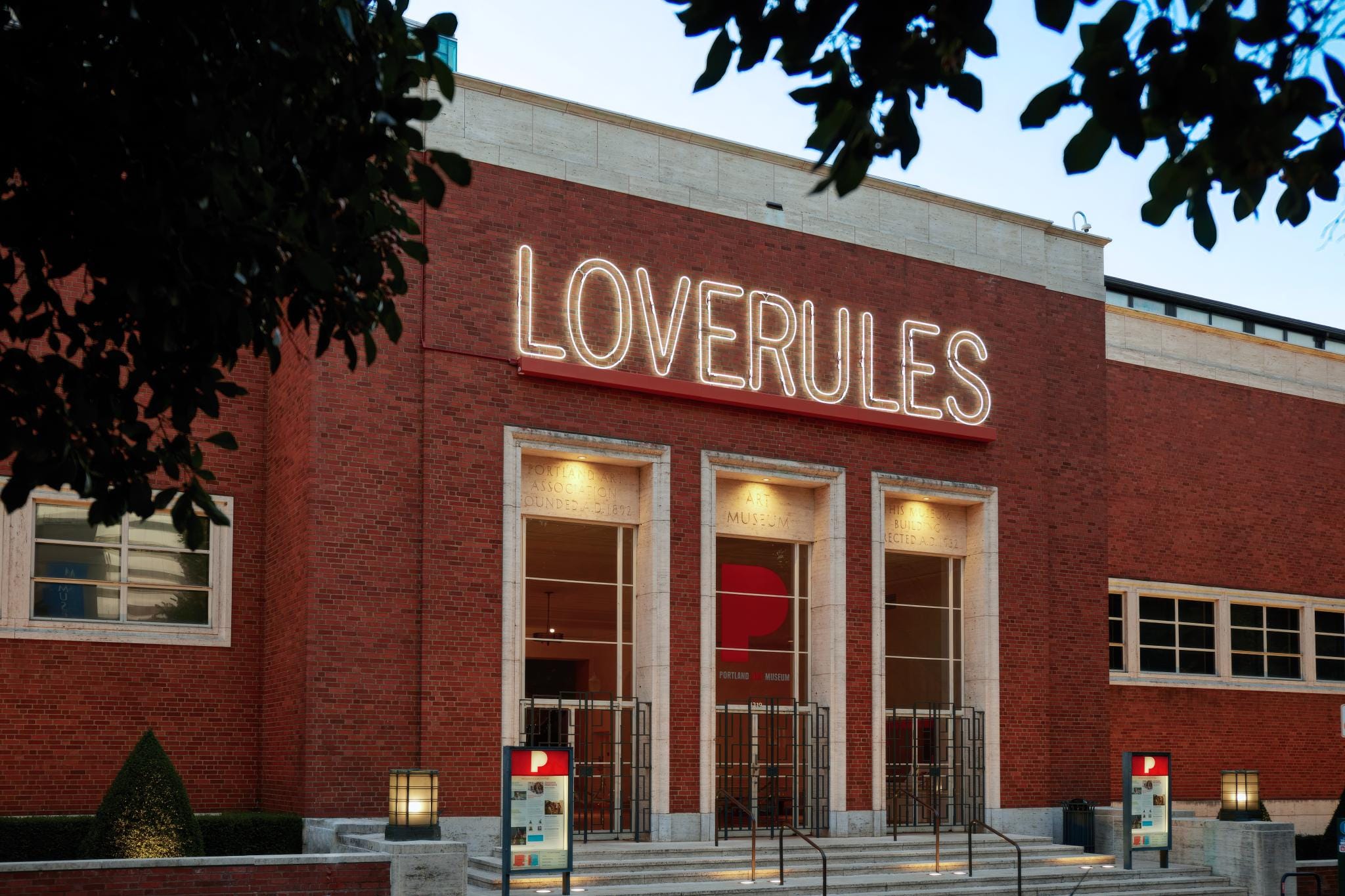
Institutional partners
The Portland Art Museum (PAM) is located in the heart of downtown. Shortly after COVID hit, PAM embarked on a major renovation. They stayed open throughout the pandemic, but with a smaller footprint. “That was important,” says Sara Krajewski, PAM’s Eichholz Senior Curator of Modern and Contemporary Art. “Our leadership has been very committed to continuing to be a cultural destination, in spite of the lingering effects of pandemic business closures, commercial office vacancies, protests and our city’s challenges with drugs and homelessness.”
Krajewski says PAM undertook several concrete responses to COVID in an effort to sustain the community. They funded emergency grants for artists in the city. The museum also expanded its security efforts on site and around the neighbourhood. Says Krajewski, “That was met with gratitude from folks living nearby. Now that we are nearing completion of our new pavilion and main entrance, many folks are sharing a sense of optimism and pride in the beautiful park blocks where PAM sits. It is really a bright spot in an environment that actually has been turning around, not discounting the complications and challenges of course.”
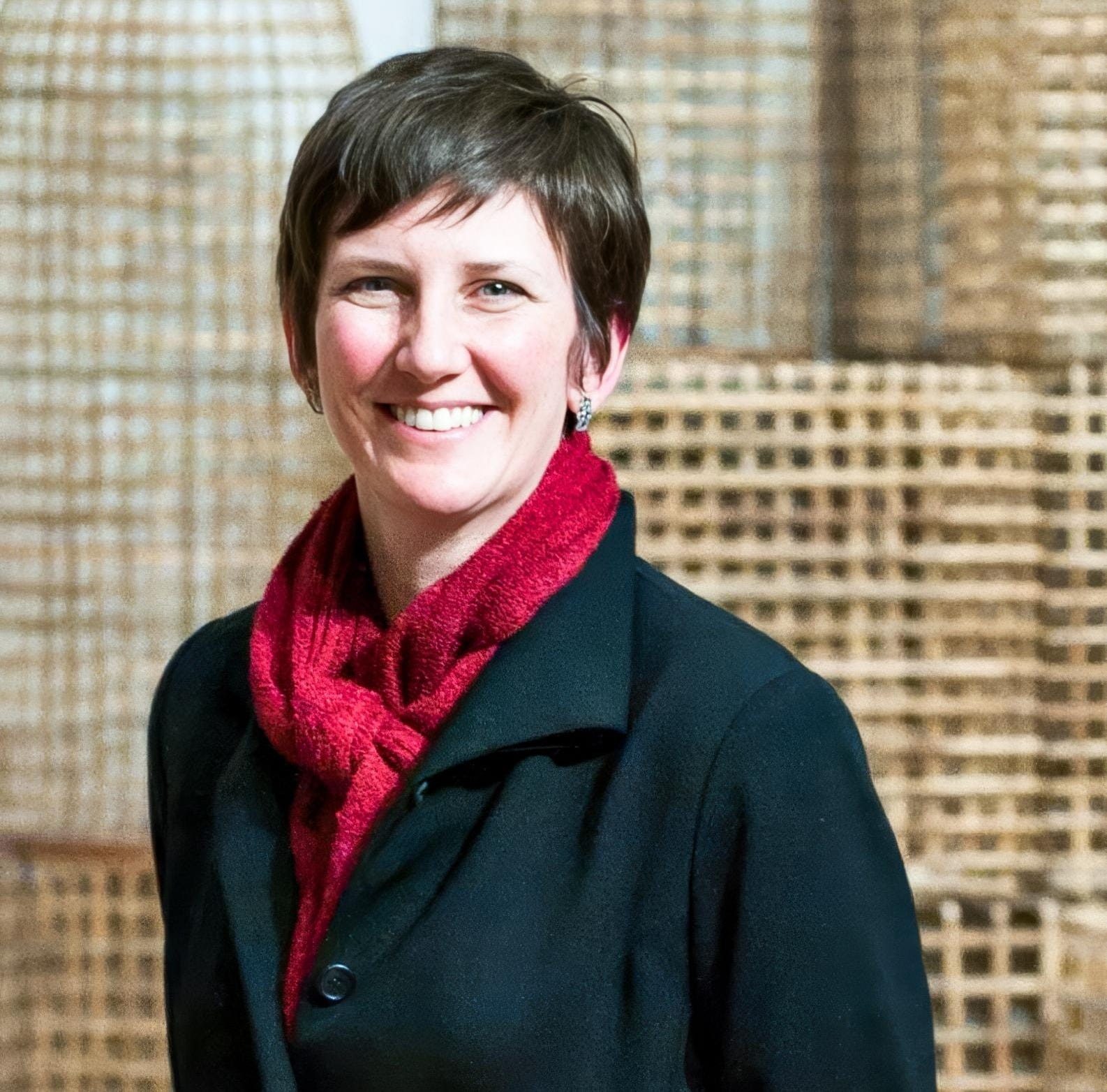
PAM has also strengthened its collaborations with local Portland artists. “For several large exhibitions, we have sought out community partnerships to amplify the content, bringing a localised perspective to it, says Krajewski. Our goals now include bringing more community-centred lenses to collection presentation and collection development.” PAM also collaborates with Portland artists through the endowed Northwest Art curatorial department and through exhibitions and acquisitions centred on local artists in the Photography, Graphic Arts, Native American Art and Contemporary departments.
The Portland Institute for Contemporary Art (PICA) also heavily supports local visual art, time-based media and performances. “Interacting with the local community is part of our work on many levels,” tells Reuben Roqueñi, PICA’s Executive Director. We support and work with our peer organisations. We attend their events. They attend our events. There is an intersection there. We also work with some of the same artists. An artist who performs in our building may also have an exhibition in one of the galleries downtown. It is part of our curatorial work to be present in the work with our peers.”
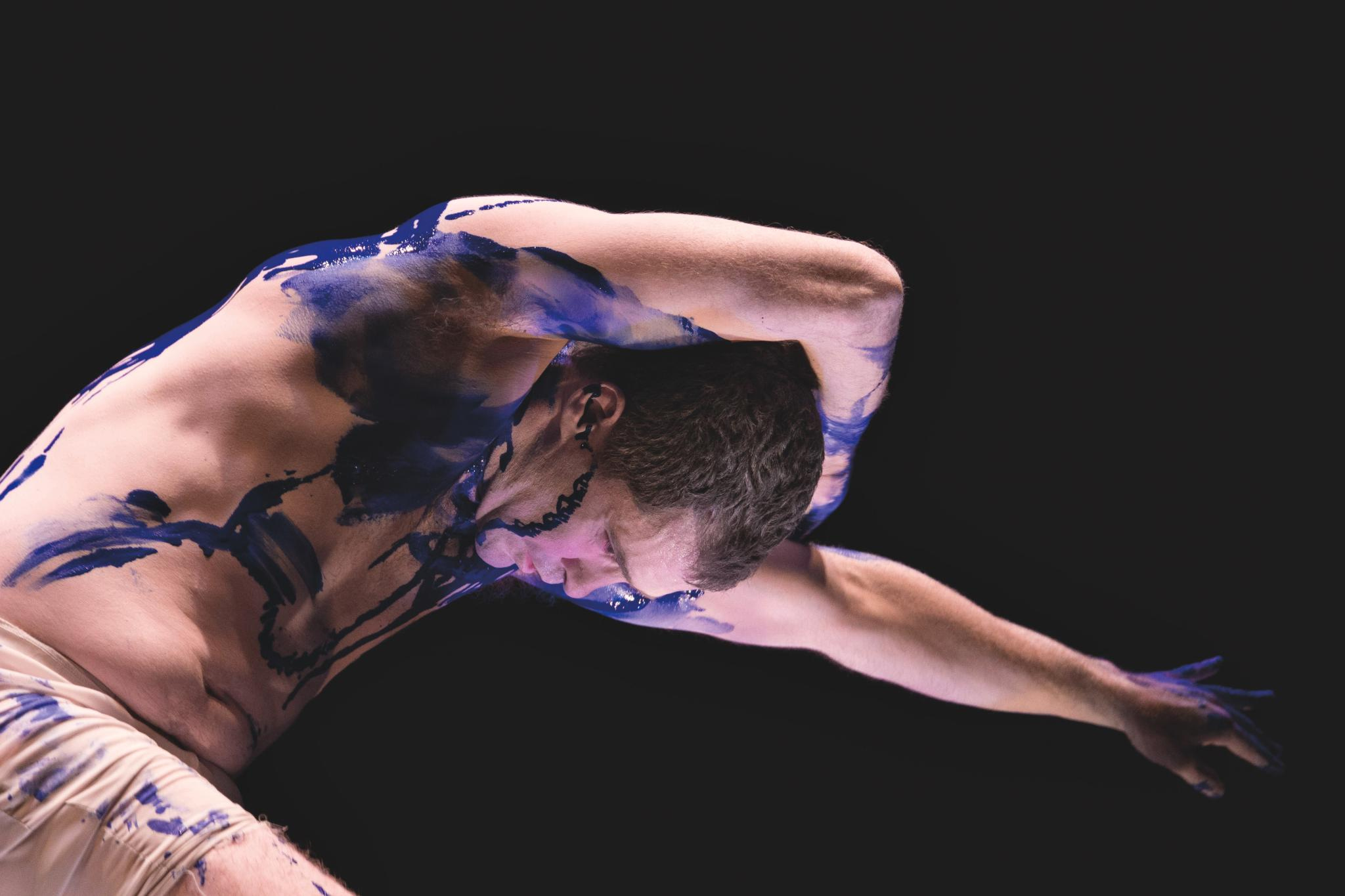
Referring to Portland’s reported “dreaded urban death spiral,” Roqueñi says, “In part it is true in the way it has impacted the arts community. People are afraid to go downtown. The response from the city in trying to bolster the downtown corridors through arts and culture speaks well. But in terms of our work at PICA, we are not downtown. We are at the very edge of the warehouse district, so we are not surrounded by nighttime businesses, which is when most of our activities take place.” Roqueñi says PICA has seen an uptick in drug addiction and the unhoused community outside their building. “I do not have data in terms of whether it has caused us to lose audiences, but it has increased our concern for public safety. I am not here to counter a narrative of the struggles the city is having, because they are true. Though they can be blown up in the media and twisted in a way that is not helpful.”
Roqueñi says the arts community is the perfect place to spotlight more positive stories about Portland. “The arts ecology in Portland is tightly knit, has a lot of intersection between disciplines and is interdependent. It is the rising tide that elevates all boats. Portland is a haven for people seeking freedom of expression. There is a creative community here that is in these times coming together to work together more, holding on to each other, embracing, moving forward.”
Gallery parties
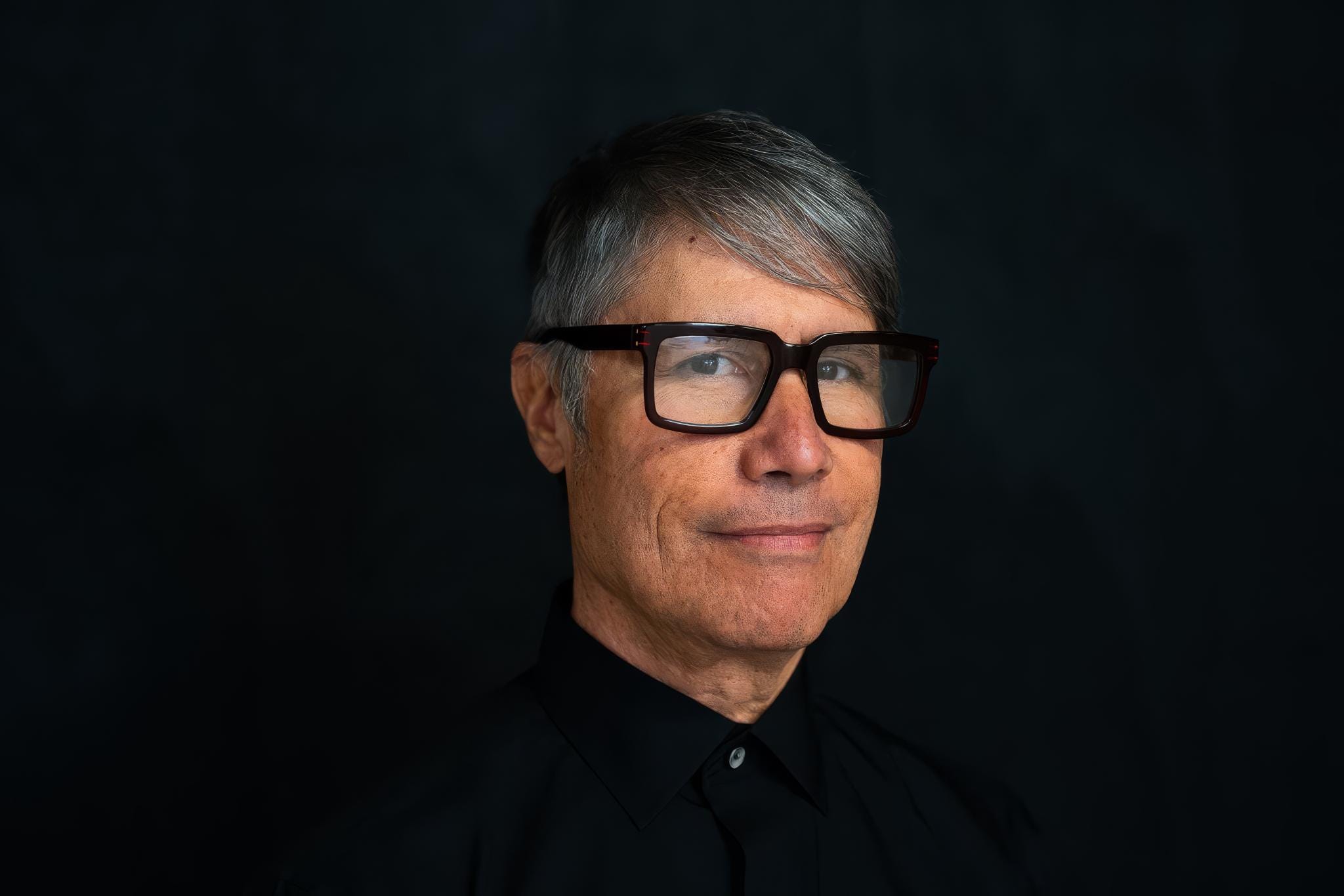
Portland’s art galleries are distributed in a few different areas. The more Blue Chip spaces tend to be downtown. Artist-run spaces and collectives tend to locate east of the Willamette River. Downtown hosts a First Thursday gallery walk every month. East of the river there is a First Friday event. Adams and Ollman gallery is downtown. They represent an international roster of artists, including some from the Pacific Northwest region and participate in major fairs, including Frieze London, Paris Internationale and Art Basel Miami Beach. According to Amy Adams, the gallery’s founder, not all that much has changed in the Portland art scene since COVID.
The Pacific Northwest has always been a place where people come and do things on their own terms, explains Adams. Even during this major outside event, COVID, this turning point for so many things in the world, I do not know if people here stopped doing things on their own terms. Aside from not being together, art was still being made, books were still being written and people were innovating. There was a poet here who was reading poems out of his window and people were bringing their chairs and listening. People were finding a way to do the thing that they needed to do regardless. I think we have an incredibly rich group of people here who do not necessarily pay attention to the outside world.”
Adams and Ollman remained open throughout the pandemic, continuing to host openings and do business. Adams also remained an active participant in the scene as an audience member. She has a list she keeps of all the experimental things she hears Portland artists are doing. That kind of community involvement is essential to how she runs her own business. “Just personally, it influences the way I think about my work, to remember to be nimble and responsive and fun in as much as I can, tells Adams. It is a constant reminder of why we are all in this world. We need to support ideas and innovation, which come from the world of the arts. It makes me feel like the world is okay.”
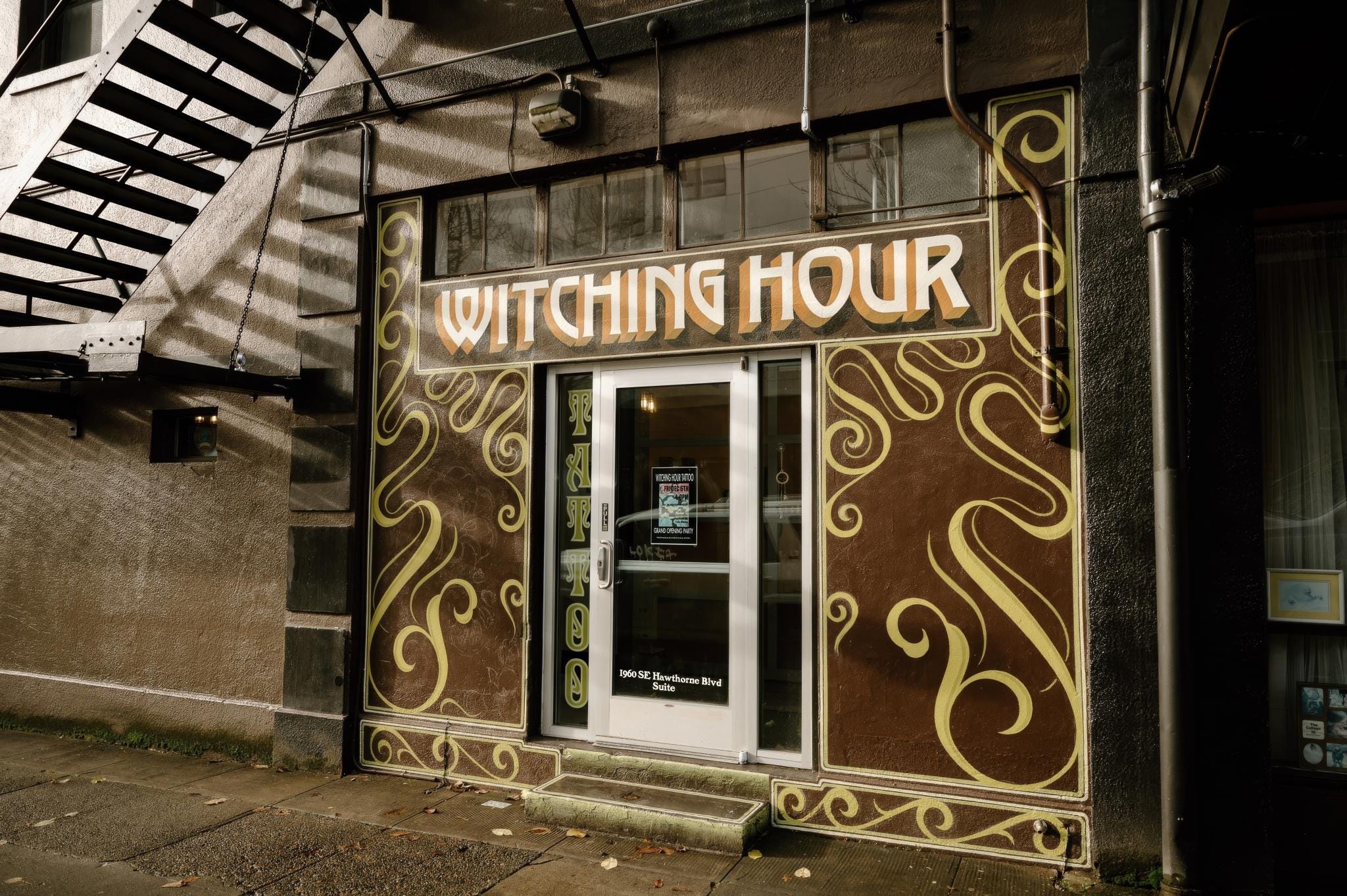
Rachel Falkowski, co-owner of Witching Hour Tattoo and Gallery, agrees with Adams that Portland is, in some ways, immune to the winds of history because of the independent spirit of its people. “I think Portland will always be a safe harbour for people who do things in a new, different, exciting way, believes Falkowski. This is a town of innovators. If a pandemic did not change that, nothing will.” Witching Hour did, nonetheless, suffer financially during the pandemic since it was forced to close for a long period. “Tattoo artists absolutely cannot work from home, so we were all essentially unemployed until policy allowed the shops to reopen. It was a dark and scary time. But, during the shutdown era, people finally had the time to think about what their dream tattoo would be, to search for their ideal artist and to save up the money to jump on that project as soon as the door opened again. The months immediately after we went back to work were the busiest I have ever been!”
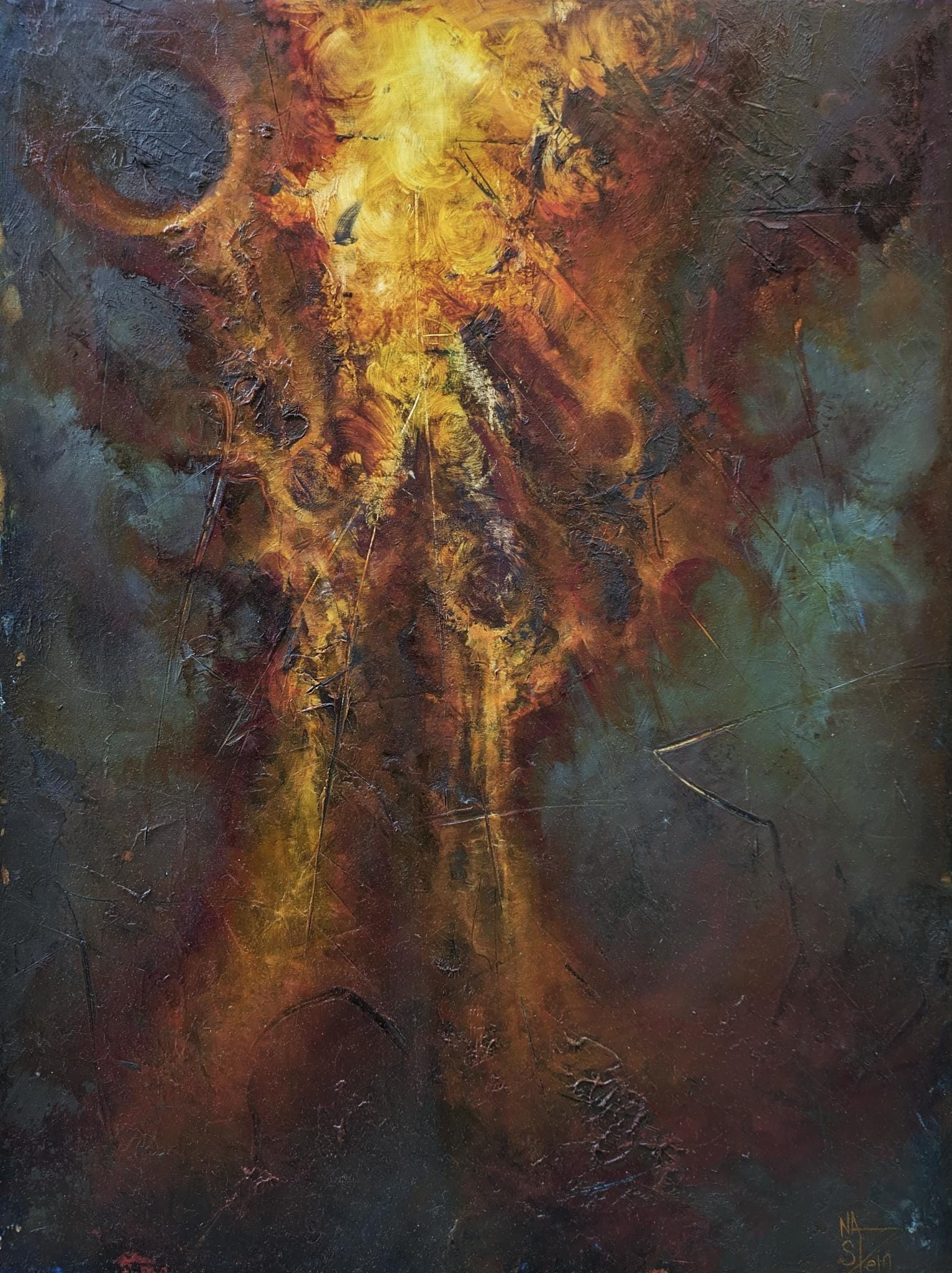
Noah Alexander Isaac Stein is a Portland artist whose work is represented by Black Fish, a contemporary art gallery downtown, a few blocks from Adams and Ollman. Stein is also President of First Friday PDX, the monthly art walk east of the river. “First Friday is in the former industrial area of Portland, in these old buildings that were factories, explains Stein. Spaces have been converted to galleries and art collectives. It is a dynamic place. The rents are lower so these spaces pop up overnight and sometimes also disappear overnight. It is a bubbling cauldron of art. You see some unusual things that you would not see in other parts of the city.” Stein says foot traffic at both First Thursday and First Friday has remained strong throughout the pandemic and post-pandemic years. He has also witnessed continued collaboration between different parts of the city’s art field.
He describes the feeling in Portland as a type of communal ambition, rather than individuals out for themselves — like crowd hustle. He also echoes what Adams and Falkowski said: that Portland is a place where artists do their own thing regardless of what is happening elsewhere. He says, “If you travel the well-worn paths of the art world, you often see the same artists or the same formats over and over again. No shade on that. There are great things happening and you can see that at major biennials and art fairs all over the world. But I am a firm believer that art and culture need to happen everywhere as a function of our critical thinking. The Pacific Northwest has a political history, a history of craftsmanship and self-reliance. You can find a different kind of thing, different ideas here. You just have to look in a different type of way.”