

(Originally published in AMA Art Magazine)
Art criticism is problematic. Too often subjective and saddled with biases, it feels outdated. And the economics make no sense: good criticism costs far more to produce than it could ever generate… just ask those who write it, statistically likely to be amongst the working poor. Then there’s the audience problem: digital culture has shortened the adult attention span to where most spend less than 15 minutes per day reading for pleasure: mostly fiction, news or celebrity gossip, not something niche like art criticism.
Yet, scores of commercial publications still devote space to arts coverage; governments and private donors fund entire art criticism platforms; and multiple fellowships and grants provide support for individual critics. There must be an enduring belief this work is still important. But can anyone verbalise why?
“I can do that,” says Seph Rodney. “I am happy to do that.”
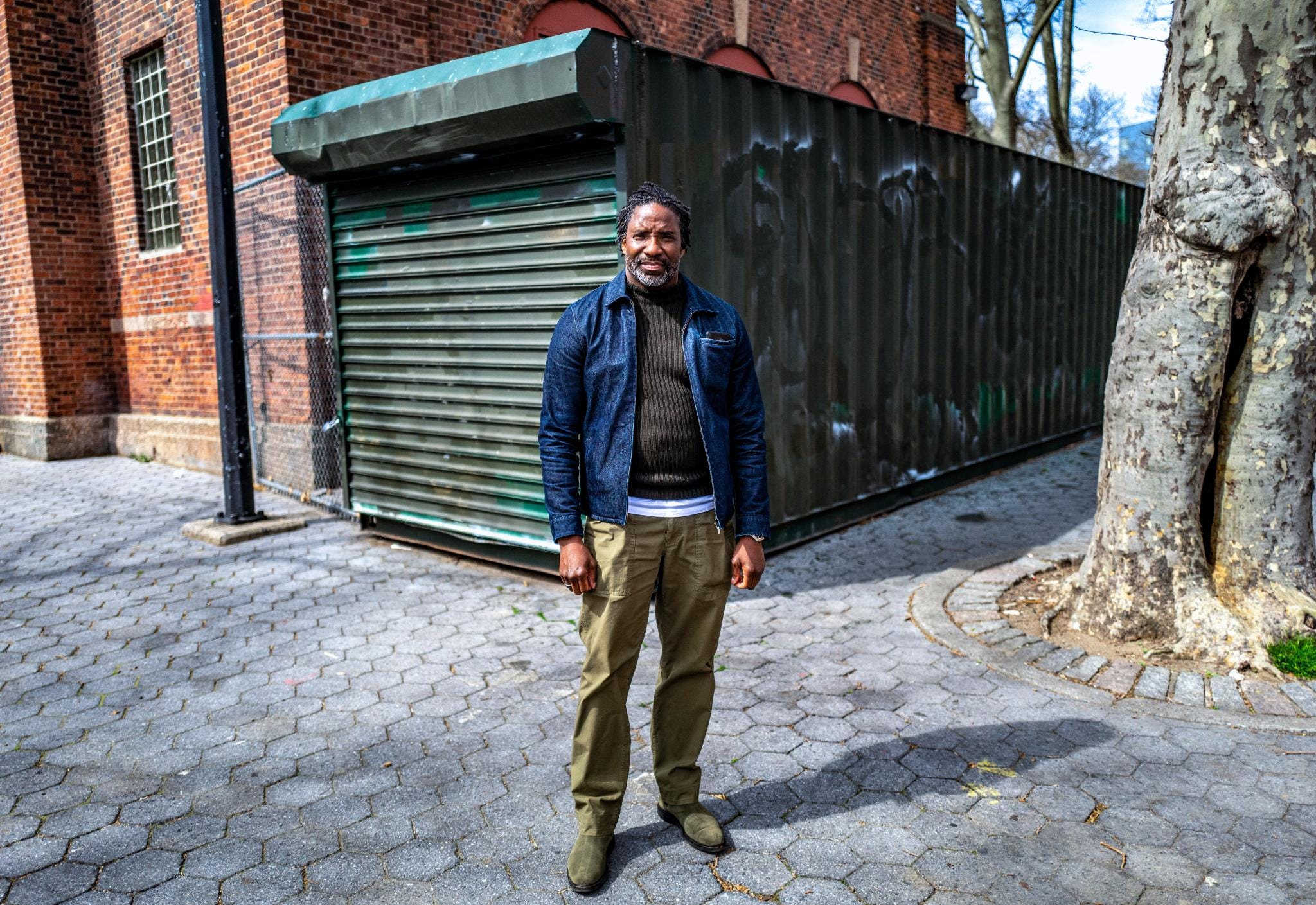
Rodney may be New York’s busiest art writer: a critic, journalist, editor, book author, teacher, curator, public speaker and occasional docent-for-hire. Author of the book The personalisation of the museum visit (2019) and co-editor of Artists as writers: Living and sustaining a creative life (2025), he has contributed to The New York Times, CNN, NBC, The Guardian, Artforum and Art in America and is a former editor at Hyperallergic. He teaches a class on art criticism at Brown University.
Art “tells a cultural story about who we are, what we do and what we value,” Rodney explains. “The PR machine is a powerful engine for getting that story out, disseminating that story and saying, hey, this story is great… it is so dramatic…so meaningful… so vibrant… so glorious. And we need someone, some kind of storyteller, some kind of scribe, some kind of comedian, some kind of court jester, some kind of oracle to say to the rest of us: ‘Actually what the stories are doing is this. Look a little bit more carefully.’ Someone needs to tell the tribe, the culture, where we actually are in time and space… otherwise we are going to end up telling ourselves stories about ourselves that are just not true.”
The superficial, off-the-cuff opinions flooding everyone’s social media feeds further flatten the art experience by discouraging longer looks. “Critics give us a space in which to slow down and really take our time,” Rodney says. “I think the fast pace of cultural production makes it such that we have come to value the hot take… a snap judgment, the quick assessment. We need time to actually stop, take something in, breathe around it, think it through and then convene a conversation in which we take that contemplative attitude and make it part of our lives.”
The price of expertise
People are clearly searching for more of the deeper contemplation Rodney describes. According to the Digital 2025 Global Overview Report (published by We Are Social and Meltwater), nearly two thirds of the 8.2 billion people on Earth right now have a mobile phone, use the Internet and are on social media daily; 53% of those people say the main reasons they go online are to “find new ideas”, “find inspiration” or to study. Art criticism can fill all three of those baskets.
Yet, the market for those who create it remains dismal. Most art publications pay 200 euros or less for freelance articles. A handful offer 300 euros or more. Many pay zero. In rare situations critics are reimbursed for travel or other expenses. Long-form critical articles easily take 15 to 20 hours to produce, spread out over weeks or months. Best case scenario, if they sell 10 or more articles per month at the highest rate, a freelance art journalist might earn around 20,000 euros per year before taxes, or about nine euros an hour. But only the best and most prolific sell that many stories. Most never come close.
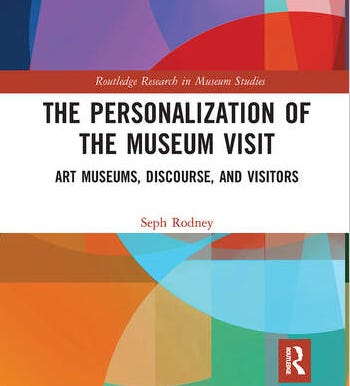
Even Rodney, a frequent contributor to the paper-of-record for the US, with a prestigious education, high level connections and decades of time in the field still works multiple side gigs to support himself.
“It seems that major publications do not feel as invested in that thing that I do,” Rodney says, “because they do not seem to be manning their staffs with full-time arts writers anymore. I can say that anecdotally, within the New Yorker they have adopted this model of just kind of shopping around the art section to different writers. The Atlantic does not do any sort of regular arts coverage. The New York Times of course still does, and that is wonderful, but they have actually pulled back on doing proper reviews and they are doing more lifestyle sort of engagement.”
That means editors are sending art writers into the artist’s studio to hang out and talk about their life and process, instead of taking a longer look at the work and scrutinising what they claim it achieves. They want a portrait of the artist, a glimpse of the person, the identity, behind the work. “Which is fine,” Rodney says, “but I am interested and invested in a conversation about the work.”
The value of integrity
Even when a publication does devote space to what looks like real art criticism, there are often questions about the authenticity or independence of that coverage. There are murky economic mechanisms at work behind the scenes in this business. Was anyone paid by the gallery, institution or artist to get the piece written? Was a PR firm behind it?
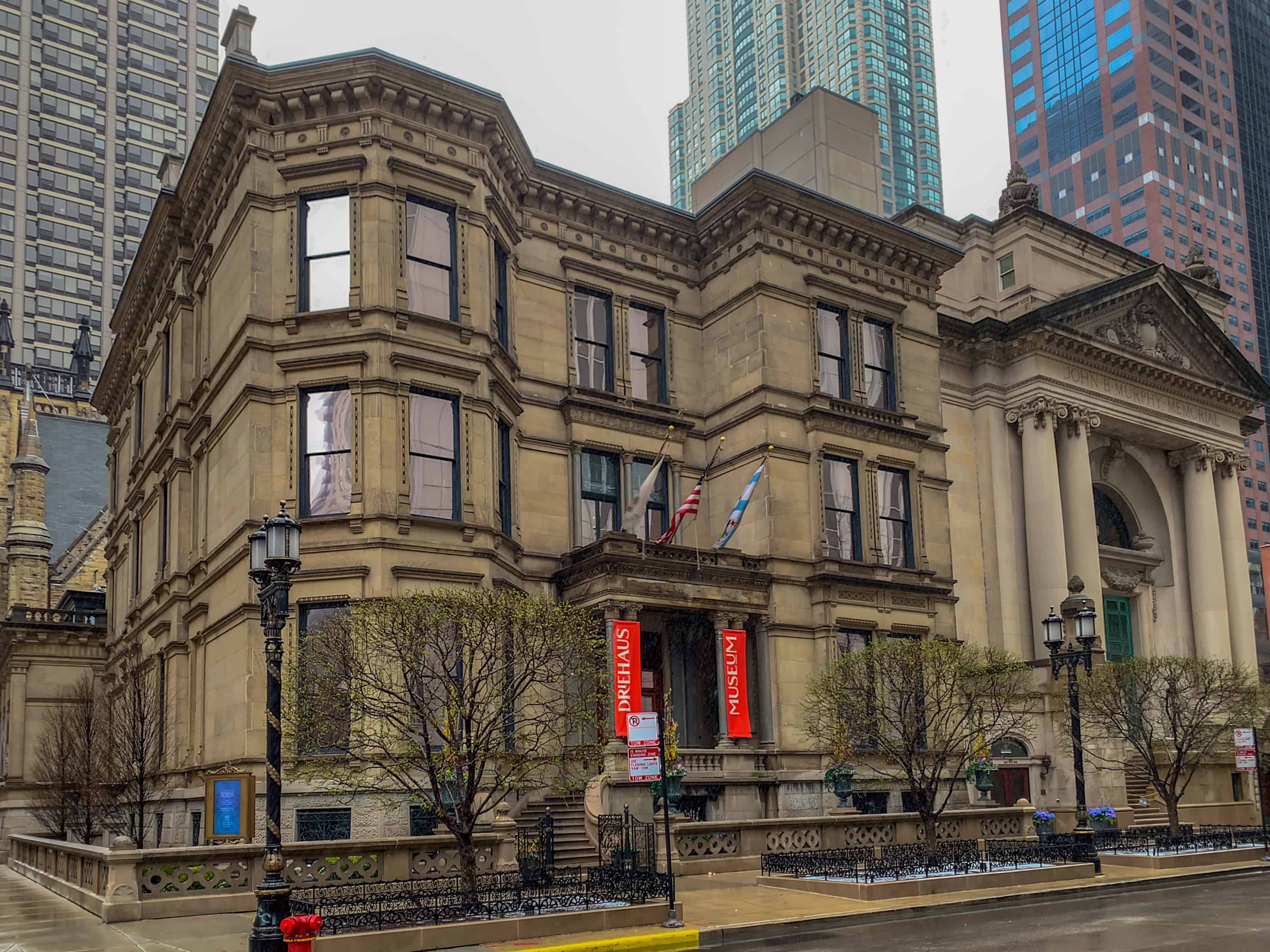
Rodney has seen the conundrum from many sides. He describes an incident, pre-COVID, when a PR firm paid to fly him to Chicago as an independent journalist to cover an exhibition of Yinka Shonibare’s work at a historic house known today as the Driehaus Museum. Rodney wrote a negative review.
“The last sentence of the review,” he recalls, “was something like, ‘It occurs to me that it would not be a great loss to us if all these houses filled up with water and washed out to the sea.’ But I felt, and I still feel this way, completely empowered to do that because flying me out to a place or providing me accommodations while I am there does not in any way, as far as I am concerned, impel me to write anything complimentary about you. Because it is not my job. My job is not to be a shill for a particular gallery.”
Different publications see press trips differently. Some see no possibility a critic can escape the feeling they have been bought. “The New York Times has this clear rule in place,” Rodney says, “that if I am in need of travel and accommodations to go see a show, they will not allow a PR firm or an institution to pay for it. They just will not do it.”
Others still believe independence is possible. He says when he was at Hyperallergic, they constantly accepted money from exhibitors for press trips. Nonetheless, Rodney says, “there was always a question. We are going to do this, we are going to cover this, they are going to fly you out, but how critical are you going to be? And at some point, it is like, dude, I cannot turn it off. I am never not going to be critical. Which runs along a continuum of independence and truth. There are, I think, gradations of independence and authenticity.”
The public good
Long hours; low pay; few full-time jobs; “gradations of independence and authenticity”… why, again, would anyone want to be an art critic today? Rodney maintains it is because the work matters for the public good.
He is not alone in believing that. The most significant support for contemporary art journalism comes from philanthropies. Some, like the Mellon Foundation, fund entire art publications. Others, like the Hyundai Artlab Editorial Fellowship, offer sustaining grants that help art critics survive. But there are agendas at work there as well. Philanthropies are rarely agnostic.
Consider the Warhol Art Writers Grant. All serious, professional art writers at some point consider applying for it. The judges have a reputation for not selecting winners for their skills or experience, necessarily, but for the perspective an applicant represents. To those who work in the field, receiving the grant is not considered a testament to your work or an acknowledgement that you deserve help. It is more of validation that your idea was on point with the grant’s politics.
Rodney received the Warhol grant after applying for it for seven years in a row prior. Year after year, Rodney says, “I kept looking at the winners and thinking to myself, who are they giving this money to? I am here. I am serious about this shit. It is my whole life. And I am writing criticism that I think is at the highest level in the art scene. I remember having a conversation in those years in the wilderness at someone’s house party, with a young Asian woman who had just won it. We had a conversation that circled around an artist and she was very dismissive of what he had done before and what happened to him. And I just thought, just as a thinker, I am not impressed. And yes, I felt at that moment like the support that she received was not about the clarity of thought or the nuance of her writing. It was about her having a particular political position.”
Most philanthropic art writing grants suffer from a similar disease. Certain types of writers or ideas get validated, which incentivises other writers to follow closely in those footsteps. Philanthropic bias not only affects what kinds of writing gets done and by extension what kind of art gets exposure, it also affects what the public expects from art.

“The people who are the billionaire class or the wealthy class typically give that money, and they tie it to the things they are concerned about,” says Rodney. “But because the philanthropic class is so fickle, it makes the nonprofit sector of the arts infrastructure precarious. And in turn, that precarity has this effect of impelling people to look to art to actually plug those social and socioeconomic gaps. So, we think art is going to save people. And I want to say to people, art is not quite able to do that. That is not how it is structured. It cannot really save the person who is struggling to make ends meet or the kid who is getting in trouble at school because he is not being fed at home. These are deeply embedded structural problems… that art does not know how to solve.”
So again, why do this? Why not devote your life to something that can do some concrete good? Rodney’s reason goes back to the stories we tell ourselves. “I think that there is a possibility of living in truth,” he says. “I think that is one of the key elements of critical thinking. And I think critical writing is only one manifestation of critical thinking, but I think the paucity of critical writing is indicative of the paucity of our critical thinking. We are relentlessly entertained in this culture. And I, for one, feel like our means for being nuanced in our feelings and thoughts, the muscles by which we can do these things, are slowly atrophying because they are not being used. We are creating a generation of people who are unable to distinguish bewilderment from anger, or deep emotional indifference from sadness. These things are important. These things are how we negotiate being human beings with each other. None of us live completely alone. And I feel like as these muscles atrophy, we have less and less purchase with each other, less and less ability to negotiate a life with each other.”
If Rodney is right, well-expressed, informed skepticism about art or anything else can be of tremendous value. There are innumerable ways of looking at anything, especially an artwork, and that is the point. The art critic is not only a single voice, they are a stand in for the rest of us, an embodiment of skepticism. We may not agree with them, but their opinion reminds us we have a voice as well.