(Originally published in AMA Art Magazine)
It happens a lot. Some ennial announces the theme of its next edition, along with a curatorial mini-manifesto armed with all of the re’s — re-imagine; re-contextualise; re-define. The writing makes it clear that this curator has come to teach us, the uninformed and possibly complicit public, the truth about the intersection of art, history, society, politics and culture. The world is a mess, they tell us. But fear not, the artworks selected for this exhibition are somehow going to make a difference. So we go, we look at the art, then the ennial closes and the world is still broken. And the cycle continues.
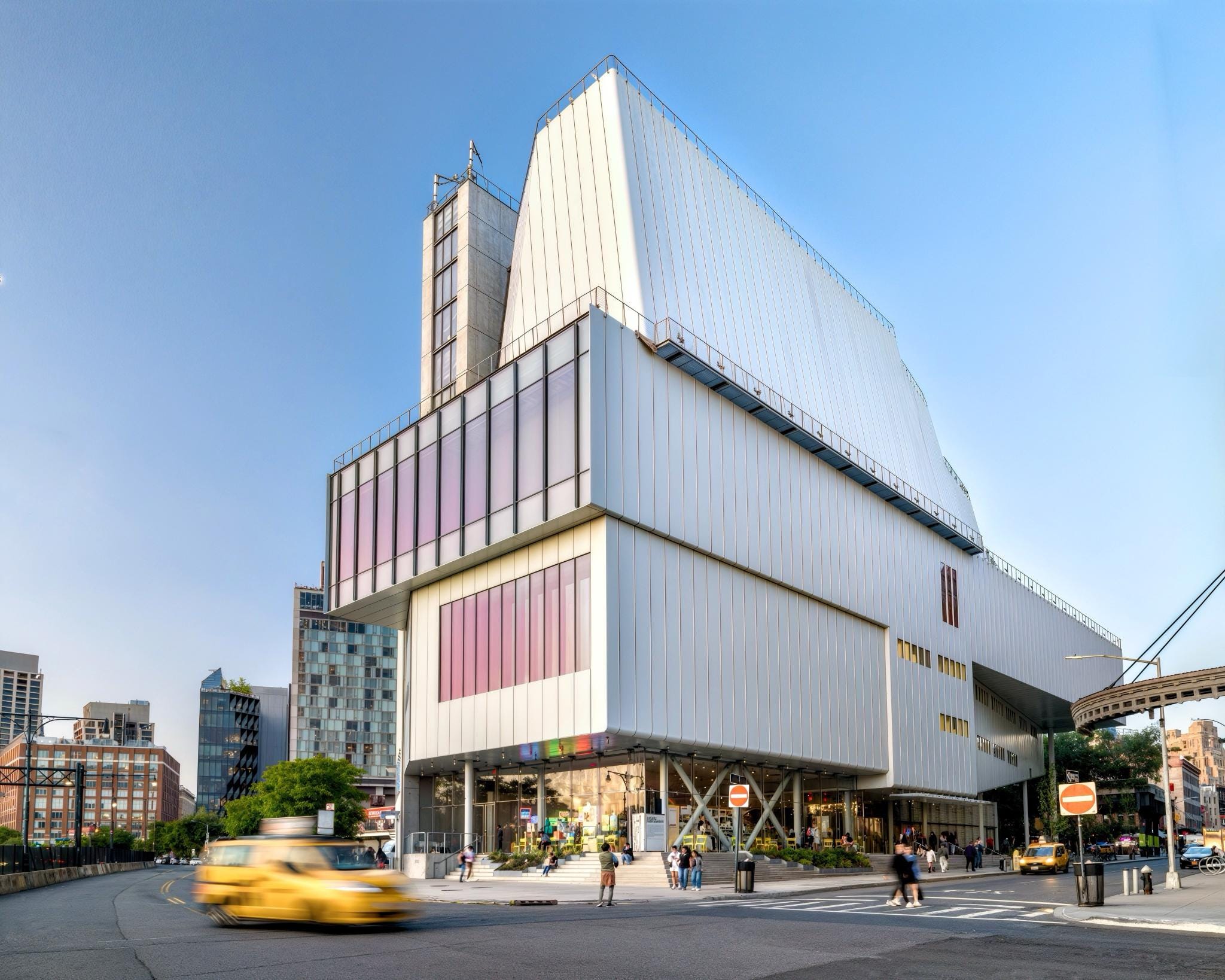
Pedantic curatorial conceit reached a new low with the 2026 Whitney Biennial. Explaining their theme for this edition, Whitney curators Marcela Guerrero and Drew Sawyer wrote, in part, “The eighty-second edition of the Whitney Biennial, like those before it, offers a space for contemplating the shifting currents of art in the United States, asking not only what is being made but also what it means to name something ‘American’ at all. Alongside artists from across the country, the exhibition features works by artists from places marked by the broad reach of US power, ranging from Afghanistan to Vietnam.”
A core principal of this recurring exhibition is that its showcases American art. Questioning the definition of the word American is expected and necessary. That’s not where Guerrero and Sawyer went wrong. They failed by avoiding answering the question. What are the various existing definitions of American? What specific alternatives are you suggesting? “Artists from places marked by the broad reach of US power”? That includes every artist on the planet. So, according to Guerrero and Sawyer, we’re all American now.
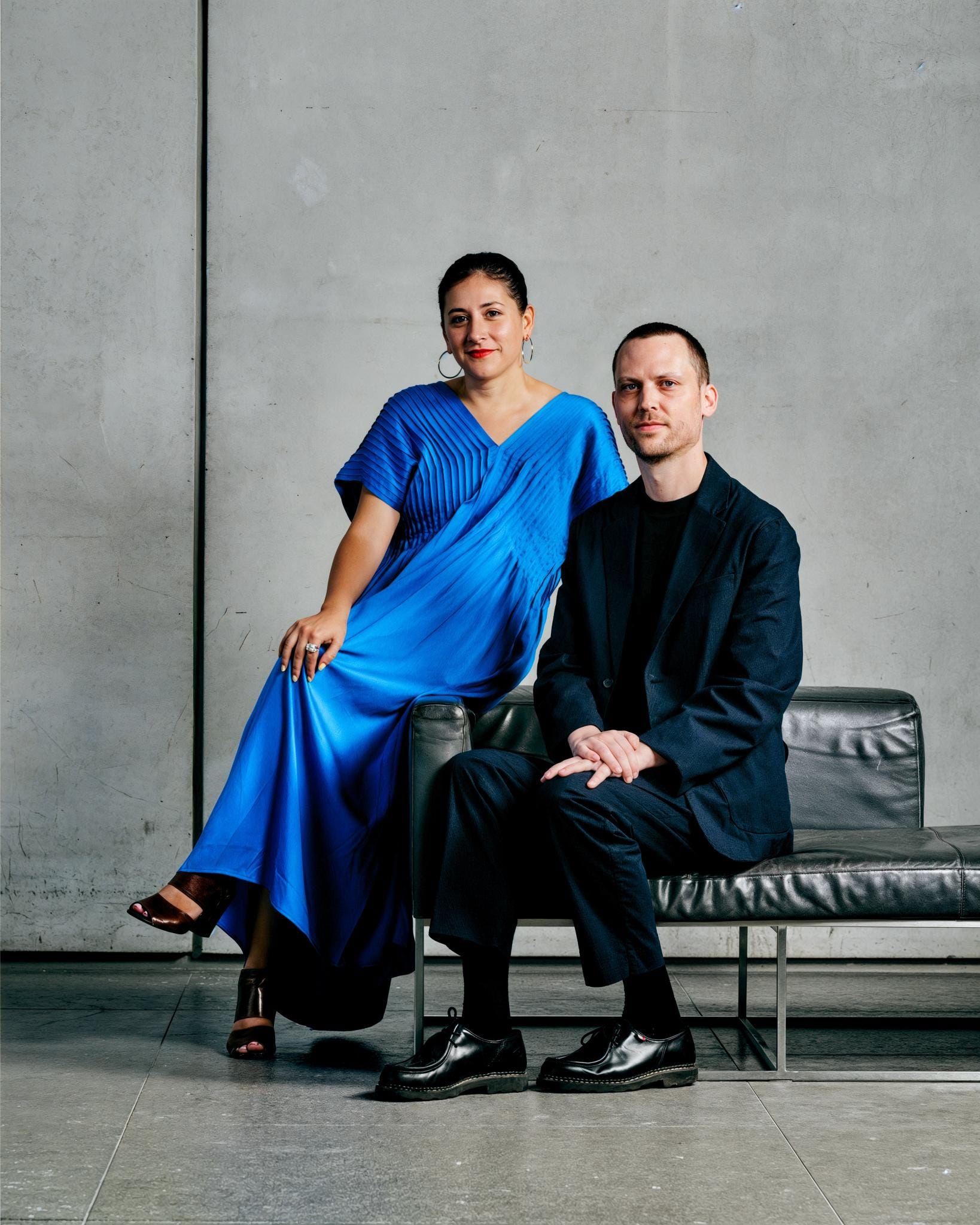
Sarah Song, a professor of law and political science at UC Berkeley, and a political theorist with expertise in citizenship and migration studies, offers several meaningful, useful and defensible definitions of American in her widely published essay What does it mean to be an American? Song says the most common definition is someone who is an American citizen, a specific legal status she explains currently requires “professed allegiance to the principles of the Constitution and adoption of a shared culture by demonstrating the ability to read, write and speak English.” But, she points out that American could also simply refer to a resident of the United States or a resident of any other place within the broader Americas, aka the Western Hemisphere. American could also mean someone who lives beyond the Americas, she says, but who explicitly shares the “American values” outlined in the US constitution.
Regardless, Song explains, the word American implies “a commitment to some shared values.” Diversity is fundamental to those value, she adds, but “a more inclusive American solidarity requires the recognition not only of the fact that Americans are a diverse people, but also that they have distinctive ways of belonging to America.”
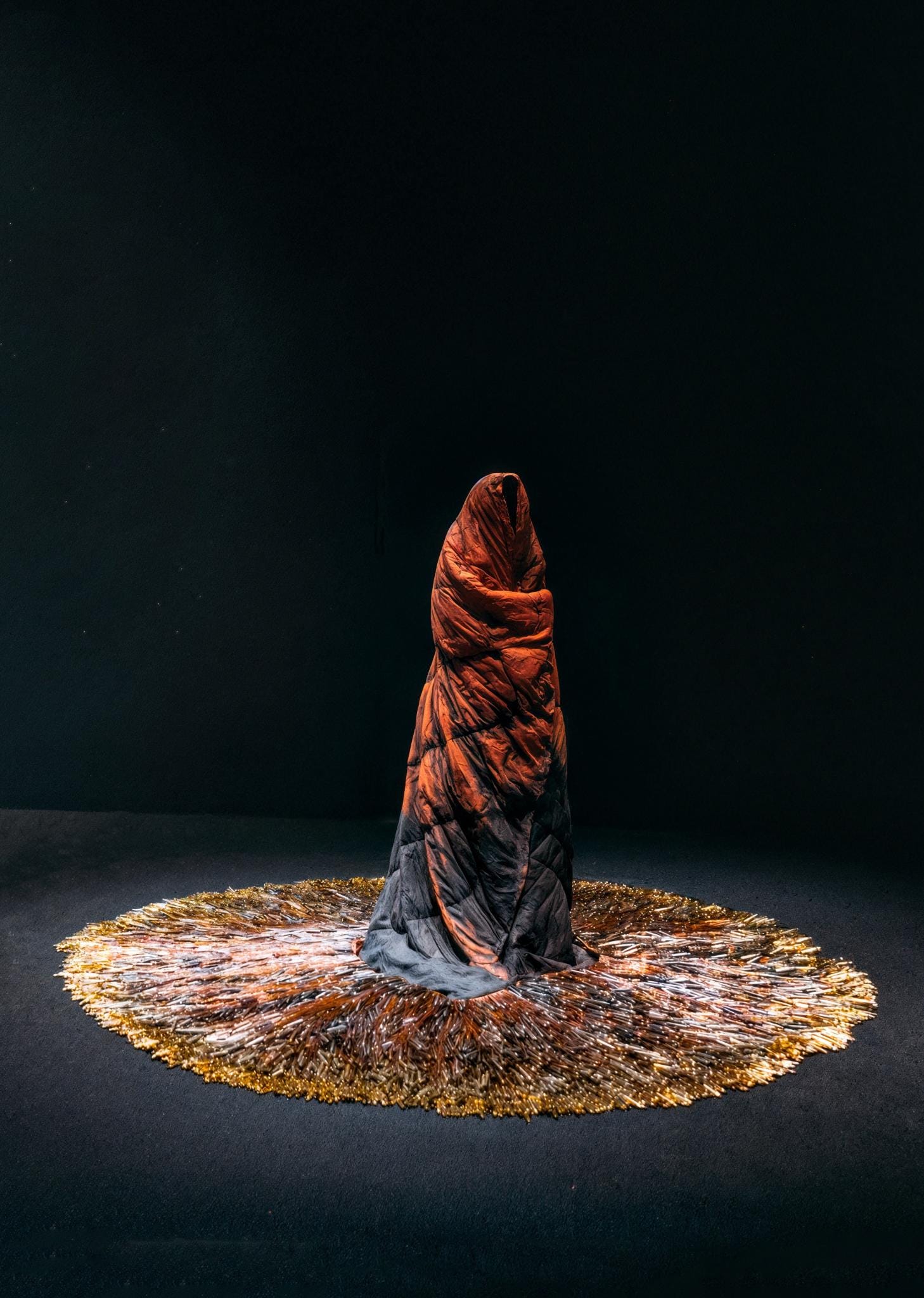
Distinctive ways of belonging. That’s what defines any group. American is not a word that is entirely mutable or subjective, any more than the word French, Chinese or Nigerian would be. Including artists from beyond the Americas into the Whitney Biennial of American Art without explicitly clarifying their distinctive ways of belonging to the shared values the word American can sensibly imply is a parody of curation. It’s an abdication of the responsibility to choose.
Biennial boom
If it feels like pedantic curatorial statements of dubious intellectual value are becoming more common, it’s not your imagination. That’s not because ennial curators pushing an agenda is a new phenomenon. We’re just more aware of it today because there are so many more curators curating so many more ennials. In 1980, there were about half a dozen ennials of any kind. As of 2026, there are around 280 biennials, 18 triennials, a smattering of quadrennials, documenta (a quinquennial) and Skulptur Projekte Münster (a decennial). Each comes with its own curatorial conceit, laid out in a daddy-complex mini-manifesto (some variation of “the world is suffering, you should all be ashamed of yourselves, but art can fix it”).
Various competing theories attempt to explain the ennial explosion of the past 40 years. Some blame the art market, arguing that recurring exhibitions with the term ennial in their title sound prestigious and can increase the credibility of artists to raise their prices. Others suggest it is all about art tourism, noting the hundreds of thousands of people who travel to events like the Venice Biennale, spending millions on rooms, ride shares and meals. Still others think it is a conspiracy driven by the industry that employs millions of art handlers, framers, shippers, installers, PR firms and yes, journalists.
All of those theories have their charms. But what if rising prices, art tourism and the expanded field of art workers are not causes of the ennial boom, but results of it? In her book Biennial boom: Making contemporary art global (Duke University Press, 2024), art historian Paloma Checa-Gismero argues that the rise in ennials is the direct result of the end of the cold war and global adoption of the Internet, which she says empowered a worldwide striving towards what she calls “aesthetic conversions”.
“Aesthetic conversions of the first kind include acts of artistic distinction that change the social status of objects”, Checa-Gismero says. An example might be a curator deciding to exhibit something not usually thought of as art alongside agreed upon art works — like placing an ordinary coffee cup on a plinth in one of the galleries at the Whitney Biennial. The cup is thus converted into an art object, even as its original function as a beverage receptacle is, theoretically, still accessible. This kind of aesthetic conversion creates the perception that anything can be art, in challenge to the traditional belief that only elites can define artistic status.
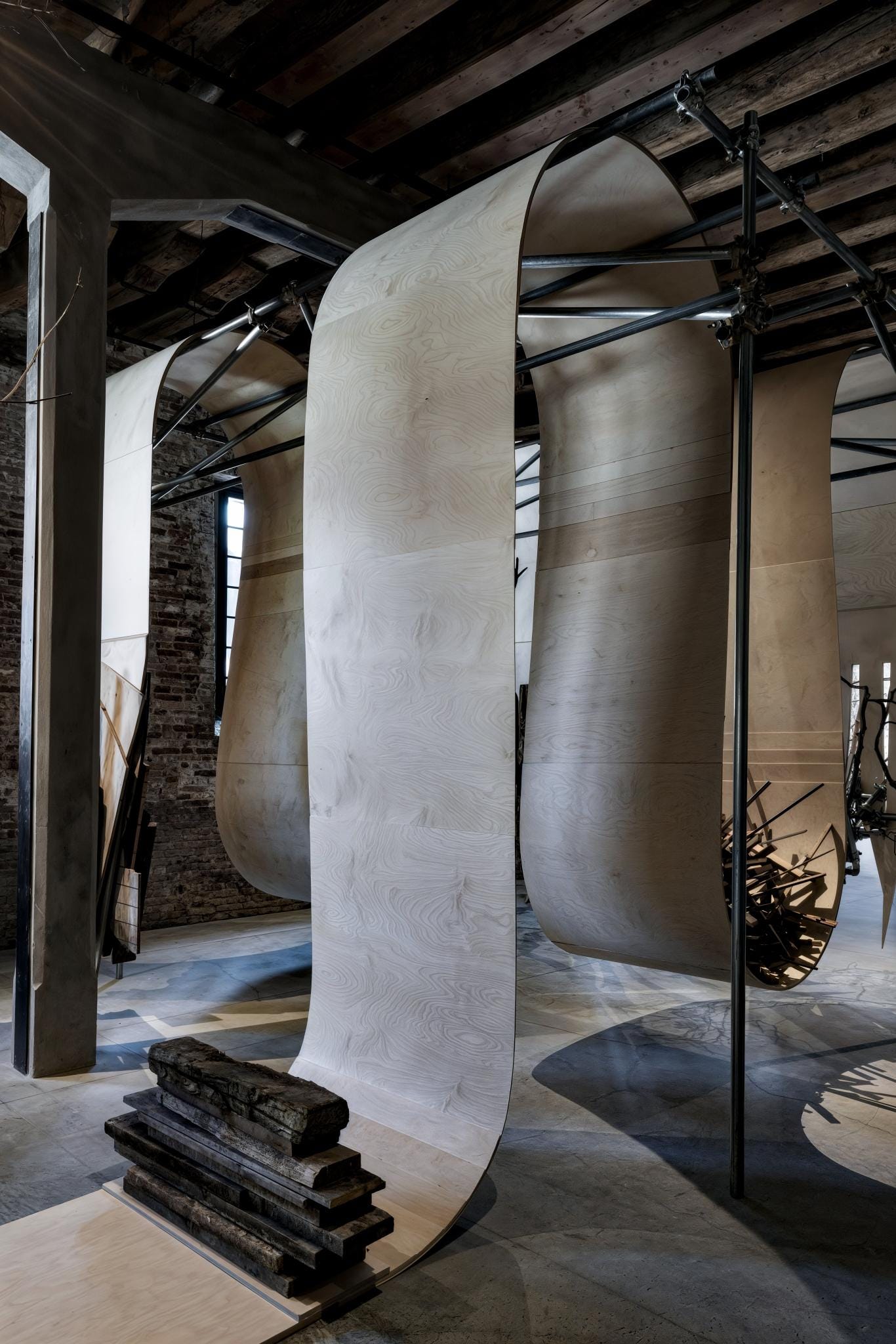
The second kind of aesthetic conversion happens when someone exhibits an artwork in a different cultural context than that in which it was made. This happens commonly in the group exhibition at the Venice Biennale, where artworks from all over the world are exhibited together, despite being made in different geographical, social, political and cultural contexts. Viewers see them all as the same thing: contemporary art. This creates an aesthetic conversion in which a perception of global art history replaces the traditional canons of art history pushed by the aforementioned elites.
Before the 1990s, ennials were mostly organised and funded by those interested in maintaining some kind of traditional world order. The end of the cold war and the rise of the Internet demonstrated how fragile those power structures were. The ennial boom, Checa-Gismero proposes, was, and still is, a natural expression of what that unleashed: a widespread desire for aesthetic conversions to continually re-evaluate what is considered art, and to advocate for the idea that multiple co-existent art histories intertwine and are of equal importance.
Curator complex
Aesthetic conversions can instigate cultural change; that is the takeaway. It is the biggest factor influencing the ennial boom and it is the reason ennial curators use their platform to parent the viewing public, lecturing us about their particular agendas. Instead of looking agnostically at whatever contemporary artists are doing, then crafting a theme around whatever they notice, ennial curators handpick artists and artworks that support a set of cultural values they want to promote. This is not just art curation, but an attempt to remake the world by convincing people it is already changing.
Site-specificity is an important factor in this process. Hosting ennials in locations far from so-called art world capitals suggests that every place possesses special qualities as an art centre, as well as idiosyncratic local cultural values that can be expressed through curatorial choices. This is exemplified by such remote biennials as the Antarctic Biennial, Lofoten International Art Festival and the End of the World Biennial. Checa-Gismero also describes the Internet as a specific site with its own culture and values and notes how the site specificity of the Internet affected the biennial boom in the 1990s.
“A lot of my earlier empirical material [from the 1990s] is faxes and letters,” she says. “Then very quickly my data migrates to email. Some of these early biennials, [like] Manifesta in Rotterdam in 1996, already had a website. They were already beginning to think about site specificity in a complex way… becoming aware of the need to signify in the online space, this proto-utopian version… pre social network, where the Internet seemed like the promise of a free economical space. So the cosmopolitan aspirations of these biennials, which were very much an optimistic response to the end of the cold war, are very clearly visible in Manifesta’s first website: the internet as a space of free access to all, as a space of communicative exchange free from commercial interests.”
Manifesta’s founding statements read, in part, “Manifesta will encourage reflection on a wide range of cultural, philosophical, political, historical and social issues relating to contemporary art in Europe. Through its charter and its organisational structure it will maintain the maximum independence from political, commercial and sectarian influences. It will give wider currency to fringe areas of European culture and place the artist at the heart of a continuing dialogue with curators, critics and a wider public. In this way, and through demonstrating the pluralism of contemporary art and its openness to contemporary realities, Manifesta will exemplify the important role that young artists can play in helping to make the new Europe a more exciting and culturally diverse place in which to live.”
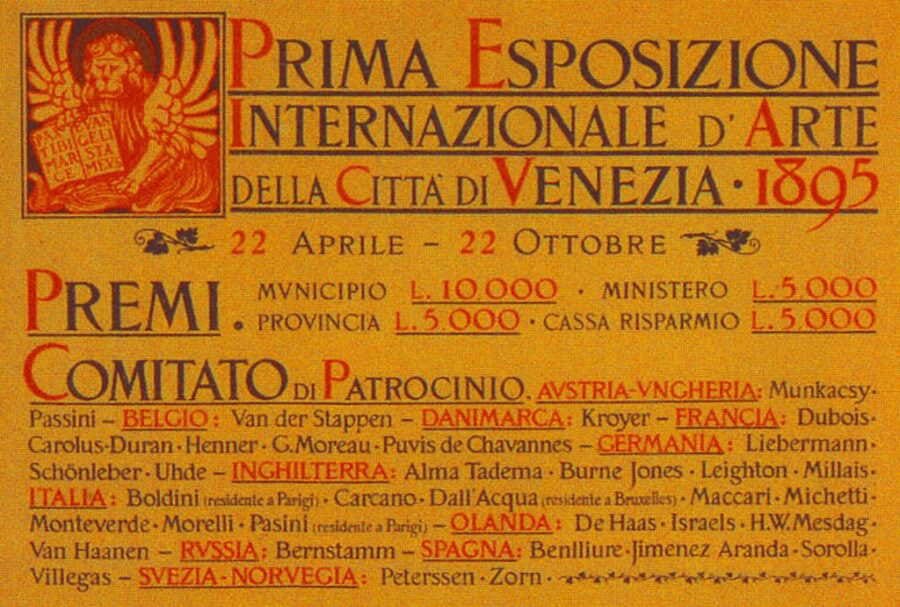
Compare that heady text to the announcement for the first Venice Biennial, which included little except for dates, prizes and names and nationalities of artists. There was no mini-manifesto laying out a social agenda. That does not mean a particular set of cultural values was not being signified. The winner of the audience award at the exhibition, by a landslide, was Il supremo convegno by Giacomo Grosso, a hyper-realistic painting of several young, naked white women frolicking around an open casket. The politics were implied rather than spelled out.
Today’s ennial ecosystem supports a more overt curatorial approach. The question that needs to be answered is, who does this approach serve? Curatorial statements frame the exhibitions as teachable moments during which some amorphous, generalised visitor can be enlightened about anything from colonisation, war and immigration to climate change and genocide. But who are they pandering to? Are they attempting to shame the major funders or politicians who support the ennial? Are curators court jesters biting the hands that feed them? Who is the audience for their lectures? Who is the public?
These are questions worth asking. It’s why we study art histories, and why aesthetic conversions are important. “Objects designated as art not only receive materials resources,” Checa-Gismero says, “they become common sensibly perceived as important.”
The curators of art ennials are not neutral. They are throwing punches in a culture fight. It is about money, power and who is entitled to write the story of the past and future. Some punches, like the one delivered by the curators of Manifesta 1, score a knockout. Others, like that of the 2026 Whitney Biennial curators, miss the mark. Either way, aesthetic conversions can change the world. If we care what they are changing it from, and changing it into, it is important to stay the fight, which unfortunately, for now, means tolerating whatever lectures our ennial curator daddies choose to give.