Originally published in AMA Art Magazine
In season five, episode 11 of The Simpsons, a group of characters digs themselves into a hole looking for money that is not there. After realising they are now trapped in the deep hole, someone asks how they are going to escape. Homer Simpson proudly and stupidly exclaims, “We will dig our way out!” It is an apt metaphor for the building crisis humanity is facing. The world we have allowed to be built around us now has us trapped in an unsustainable, toxic, sprawling, ecologically disastrous hole. Meanwhile, billionaires keep hiring “starchitects” to deploy energy-gobbling supercomputers to fill every empty remaining inch of our world with over-design mega-complexes wired with every conceivable “smart” function, giving little thought to vernacular architectural heritage, indigenous lifestyles or wildlife. When anyone asks the architects, developers and politicians for an alternative to our over-built world, like Homer Simpson they have little to propose except, “We will build our way out!”
Laurien Holtjer, Director of Engagement and public relations for Rewilding Europe, has an alternative proposal: “Give nature space and let it go.” Rewilding is a way of restoring the balance between the natural and human-built worlds by relinquishing control and letting nature guide our next steps. A non-profit based in Nijmegen, the Netherlands, Rewilding Europe is currently involved in ten rewilding initiatives spanning across 12 European countries. One of those initiatives is unfolding in the Danube Delta, a wetland area straddling Moldova, Romania, and Southern Ukraine where the Danube river meets the Black Sea. The front line of the war in Ukraine is about 200 km away. “War is an awful situation, but we are still working in the delta area, Holtjer says. It is a crucial component in the area’s economy and nature. Despite the proximity to the conflict, work continues where safely possible — restoring water systems and supporting the comeback of keystone wildlife species remains vital to the region. It shows how resilient nature is. If we give it space, even in war time it will bounce back. There is a limit to what we can do, but trusting nature is what keeps us going.”
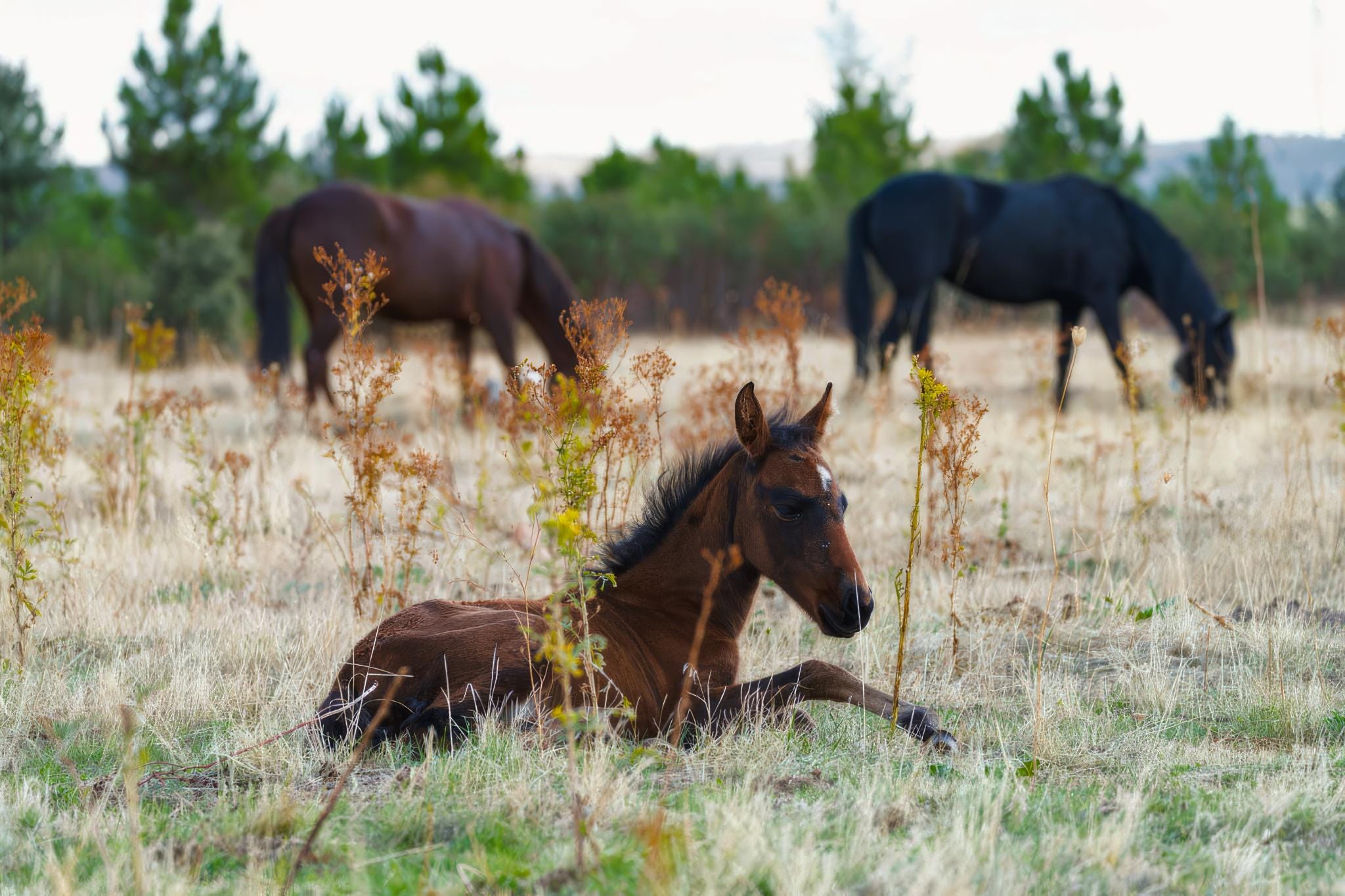
The Danube Delta is a crucial habitat for migratory birds and it hosts more fish species than anywhere else in Europe. It is also home to the Letea and Caraorman woodlands, some of Europe’s last “grazed mosaic landscapes”. A mosaic forest is one that is composed of multiple species and micro-habitats. Grazing is a way of maintaining the health of the forest. Long ago, ancient forests were naturally grazed by wild horses and bovines. Re-introducing wild or semi-wild grazing animals into European landscapes is one of many strategies Rewilding Europe deploys.
“Even after wild grazes ended, many of these places had livestock that took over the role of wild grazers, Holtjer says, But with land abandonment, livestock is also disappearing.” Land abandonment is a common phenomenon across Europe and much of the world. It can occur when the economics of a place no longer sustain human society and is particularly prevalent in agricultural areas. “People are moving to cities, young generations especially, Holtjer says. Many rural areas face steep depopulation, with declining services and infrastructure — but this also opens the door to new, nature-based economies.” In such areas, where grazing has disappeared, there are more intense and more frequent natural fires, Holtjer says. “Fires are natural, but intensity and frequency is a different thing. So with rewilding, we bring back the function of natural grazing. We call wild horses the grazing fire brigade. It is very cost efficient, so there is also an economic advantage.”
In addition to old forests and relatively untouched marshlands, the Danube Delta also includes a patchwork of human-built environments, including farms, villages, cities and industry. The goal of rewilding, Holtjer explains, is not to eliminate those built worlds, but to reimagine the relationship they have with their wild surroundings. “We are not bulldozing the built world and we do not aim to create wilderness, Holtjer explains. We look at what we can add. Rewilding is a holistic view. We see a well functioning ecosystem as a jigsaw puzzle. We ask what piece is missing. Maybe a river has dams so there is no free flowing water, or it could be a keystone species missing. So we engage the natural process to help nature to heal itself. That way we aim to build well functioning ecosystems, which include humans and their built environment.”
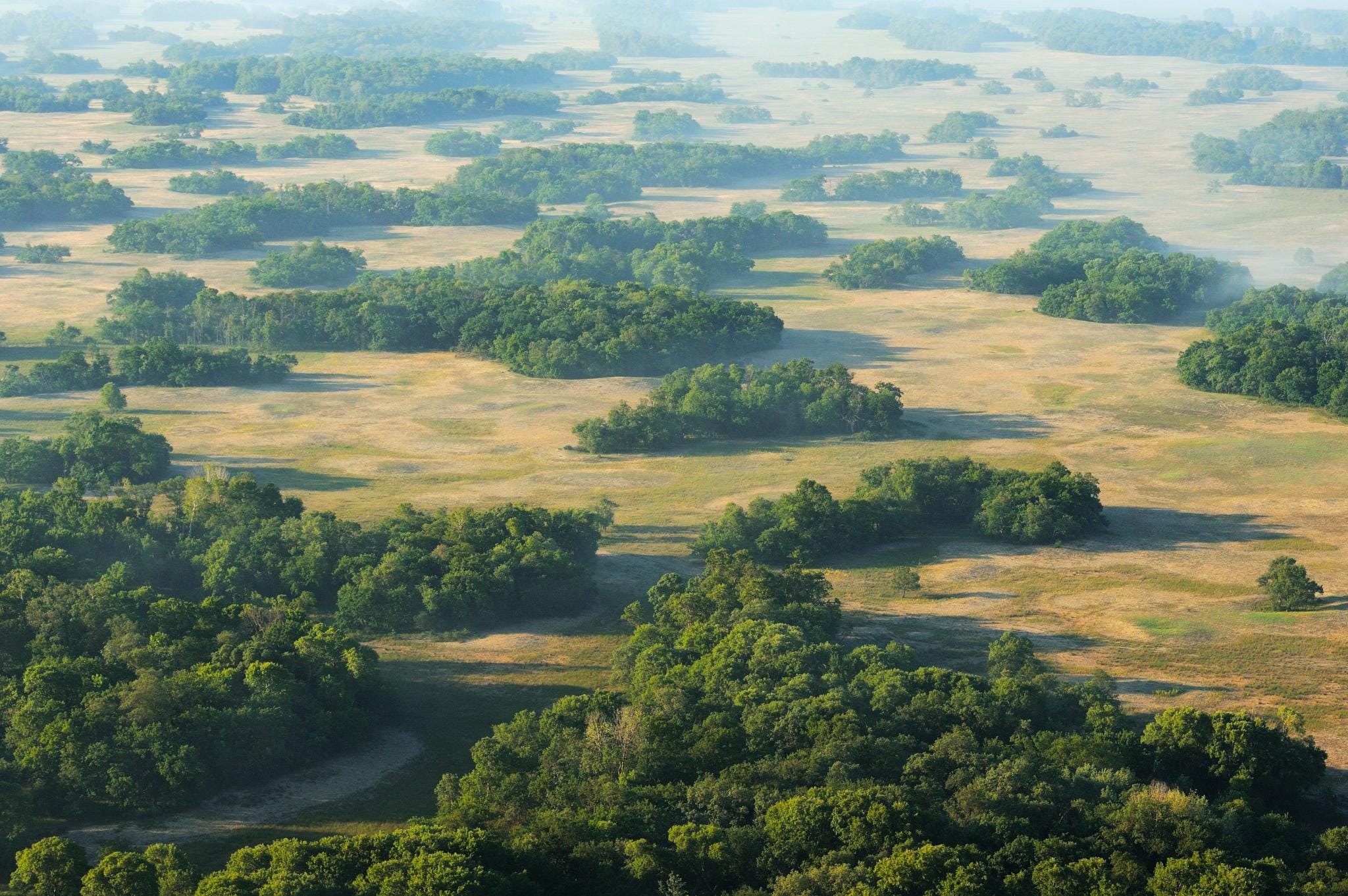
In rural regions experiencing depopulation and land abandonment, rewilding offers opportunities to revitalise both natural ecosystems and human communities. “We see it as an opportunity to change something in a systematic way by building nature-based economies, based on wildlife tourism for example. In some places where nature is coming back, young people are returning, renovating houses and turning them into bed and breakfasts or other businesses, Holtjer says. That is a very important part of the process, she notes, because the built environment is part of the culture and identity of every place. There is often a distinct vernacular architectural style in an area, or a way of living unique to that community. If that can be maintained by transitioning the economy to something nature-based, it can help preserve a community’s heritage long term. The last thing we want is to protect an area, put a fence around it and kick people out. These landscapes include everyone who lives there.”
When it comes to urban environments, Holtjer suggests it is more important to think in terms of wild nature rather than true wilderness. Architects, developers and city planners should look at rewilding as something that exists on a sliding scale. On one end of that scale is a place like the Danube Delta, where large connected landscapes allow nature to take the lead with minimal human intervention — a form of passive rewilding. At the other end are highly urbanised spaces, where nature is nearly absent and rewilding requires a more active, intentional approach. “Imagine a parking lot, Holtjer explains. There is hardly any nature there. But what if you make a small change thereby removing asphalt and letting plants grow? You are already rewilding by giving space to nature. It is about gradually moving up the scale, giving more space to nature and allowing natural processes to return, even in the most built-up environments.”
Rewilding is ultimately about restoring connections — between habitats, species, and people. “It is all about connections, like building corridors between protected areas so wildlife can move between those parts.” When fragmented landscapes are reconnected — whether through river restoration or wildlife corridors —, natural processes can shape our landscapes once again. These connections do not just benefit biodiversity; they also help people see and experience how nature and human life can thrive together in shared landscapes.
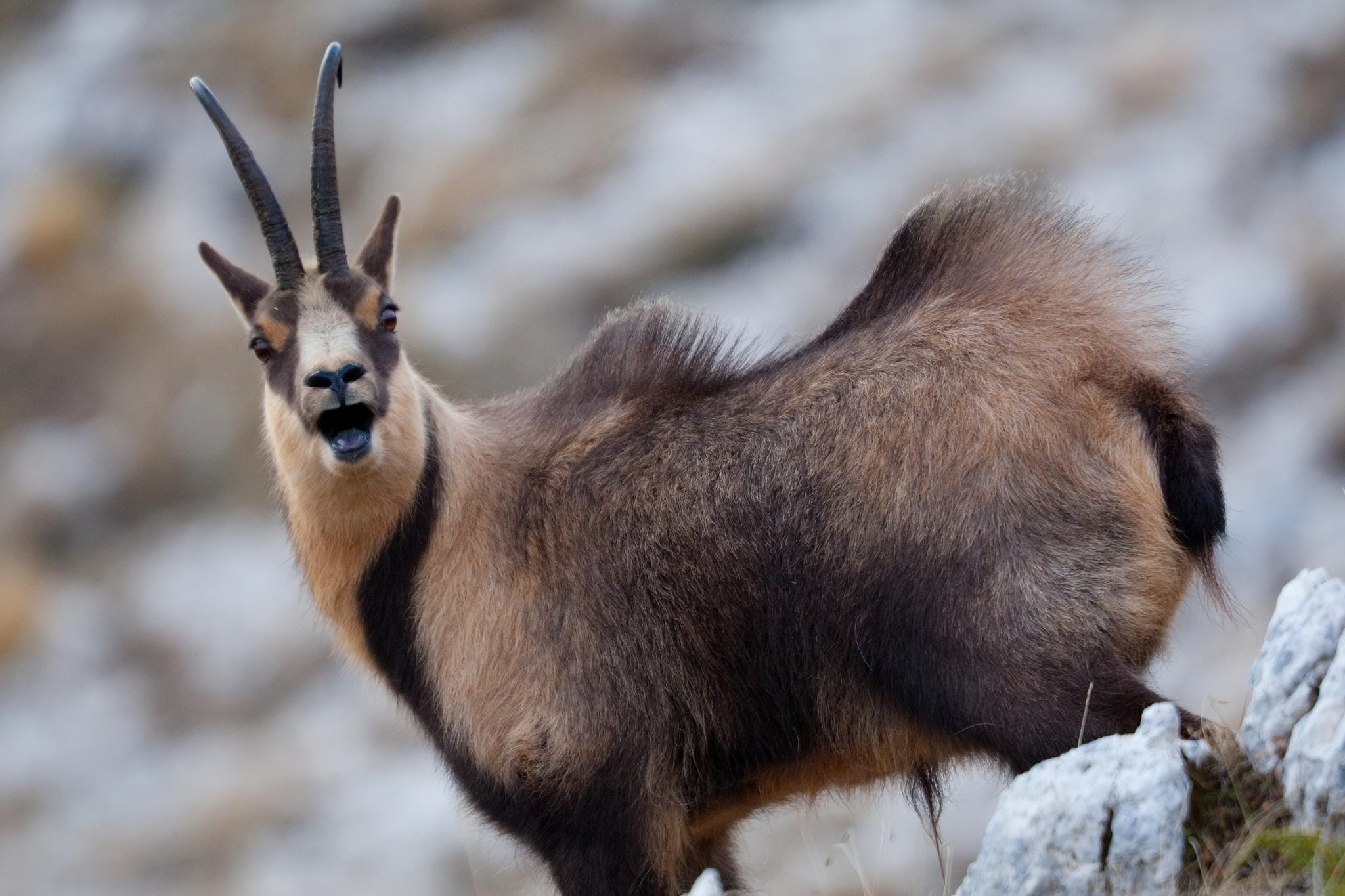
Having wildlife running around can even instill a sense of pride and wonder and increase our mental well being. That is something rarely discussed by the developers, “starchitects” and politicians who exert so much influence on today’s urban built world. They assume that the users of their projects want the newest, biggest and most expensive built world possible. Building projects are measured in terms of economics and job creation rather than human happiness and peace of mind. “We look at jobs created and income created, too, says Holtjer. But how do you quantify the wider benefits? Some of the most important benefits — like pride of place, community spirit and belonging — are not easily captured in numbers, but they are deeply felt.”
In the end, rewilding is about people. It is about having ongoing dialogue, listening and engaging in communities in a way that ensures they feel part of the process and see how rewilding can enrich their lives. “It is not about us buying land and rewilding. It is about building trust with stakeholders. This is why our teams are locally based and live in the landscape.” The biggest challenge to getting more people to accept such a systemic change to their built world is the inherent loss of control they will have to accept over every part of their environment. “In Europe we are so used to managing and controlling nature, mowing and pruning,” she says. “Nature is perfectly fine to take care of itself. Without us it would thrive. But we can build landscapes where nature thrives and people also thrive. Instead of a thing we have to control, we see nature as our ally that we trust and should give space. That is a long term vision that we have.”
There are two groups Holtjer says this message must be shared with going forward. “First we have to show this to everyone who is influencing land,” she explains. That means politicians, landowners, lobbying groups, architectural interests and developers. At least as important are everyday people who simply inhabit the built world. “We think the change should come from the bottom up. Rewilding is a social movement as well. Younger generations see rewilding as a way forward. It is about the economy, about culture and about people. They are fighting for their own future as well.” Meanwhile, Holtjer says it is important to keep telling positive stories of successful rewilding initiatives big and small. “People are focused on doom and gloom announcements, she says. They think that if we do not act now nature will go down the drain. But I truly think it will be us going down. Nature is incredibly resistant and we have a chance now to shape a world where both people and nature thrive together. All we need to do is give it space.”