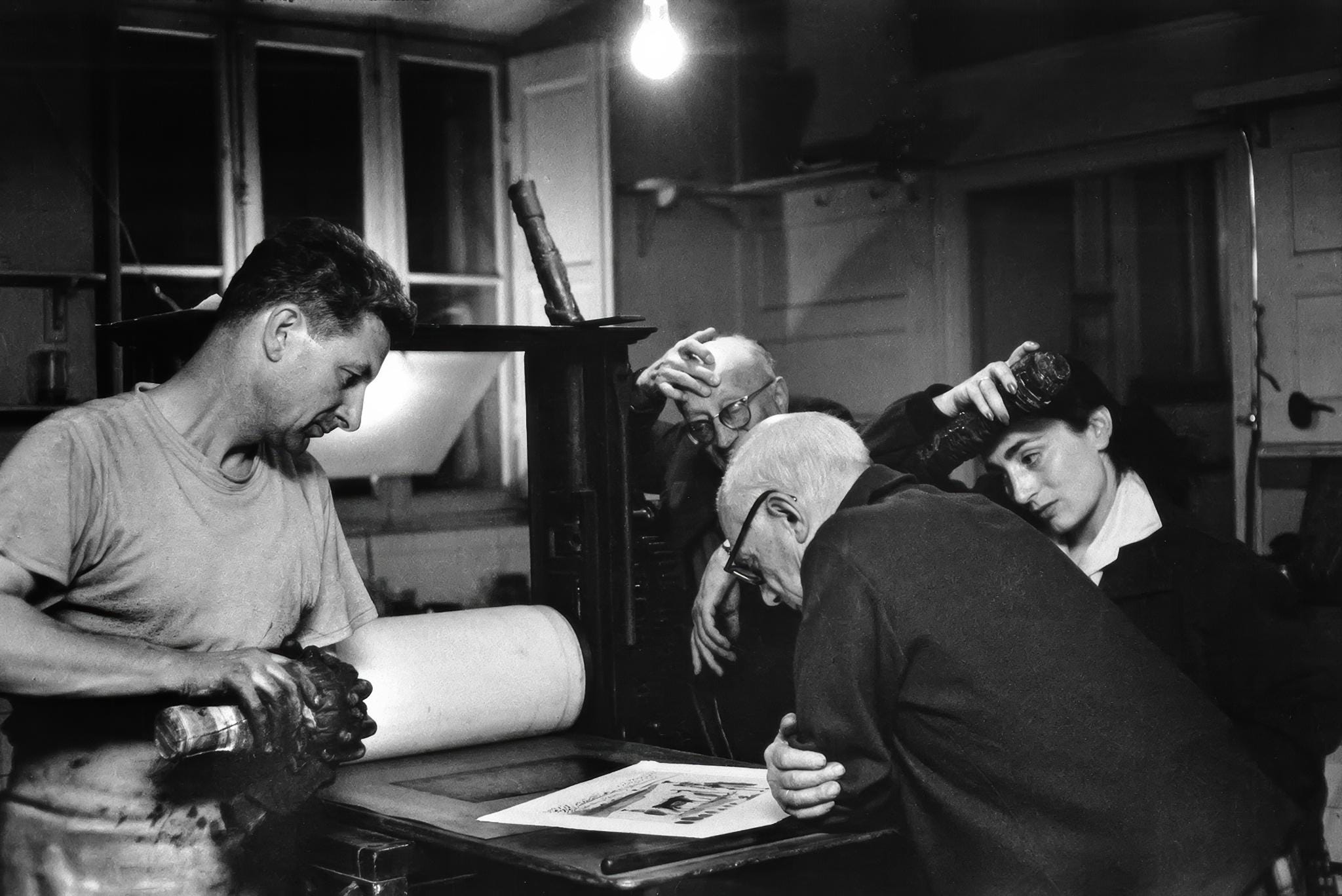
Most collectors of fine art prints have seen the term Master Printer; it will frequently appear on the provenance report for an editioned work, indicating whether it was created by the artist alone or in collaboration with a renowned expert, perhaps at an esteemed printshop.
Certain printers and shops are so respected that their name can substantially elevate the value of an editioned work. For example, Atelier Lacourière-Frélaut in Paris once received its own museum retrospective at the Musée d’Art Moderne de Paris. In the 1930s, its founder, Master printer Roger Lacourière, gained worldwide fame for his collaborations with Henri Matisse and Pablo Picasso. An editioned collaboration between Picasso and Lacourière will have a different market than, say, a later collaboration between Picasso and Master lithographer Fernand Mourlot or Master Linocut Printer Hidalgo Arnéra, especially if it was included in a museum show.
But what does it mean to be a Master Printer? Specific rules surrounding who gets to use the title are often misunderstood and can even be controversial. “There’s a lot of history to the title,” says Valpuri Remling, a Master Printer and the Workshop Manager at the Tamarind Institute in Albuquerque, New Mexico, one of the most respected print shops in the world. “Like in any craft or skill, to be called a master takes time and dedication.”
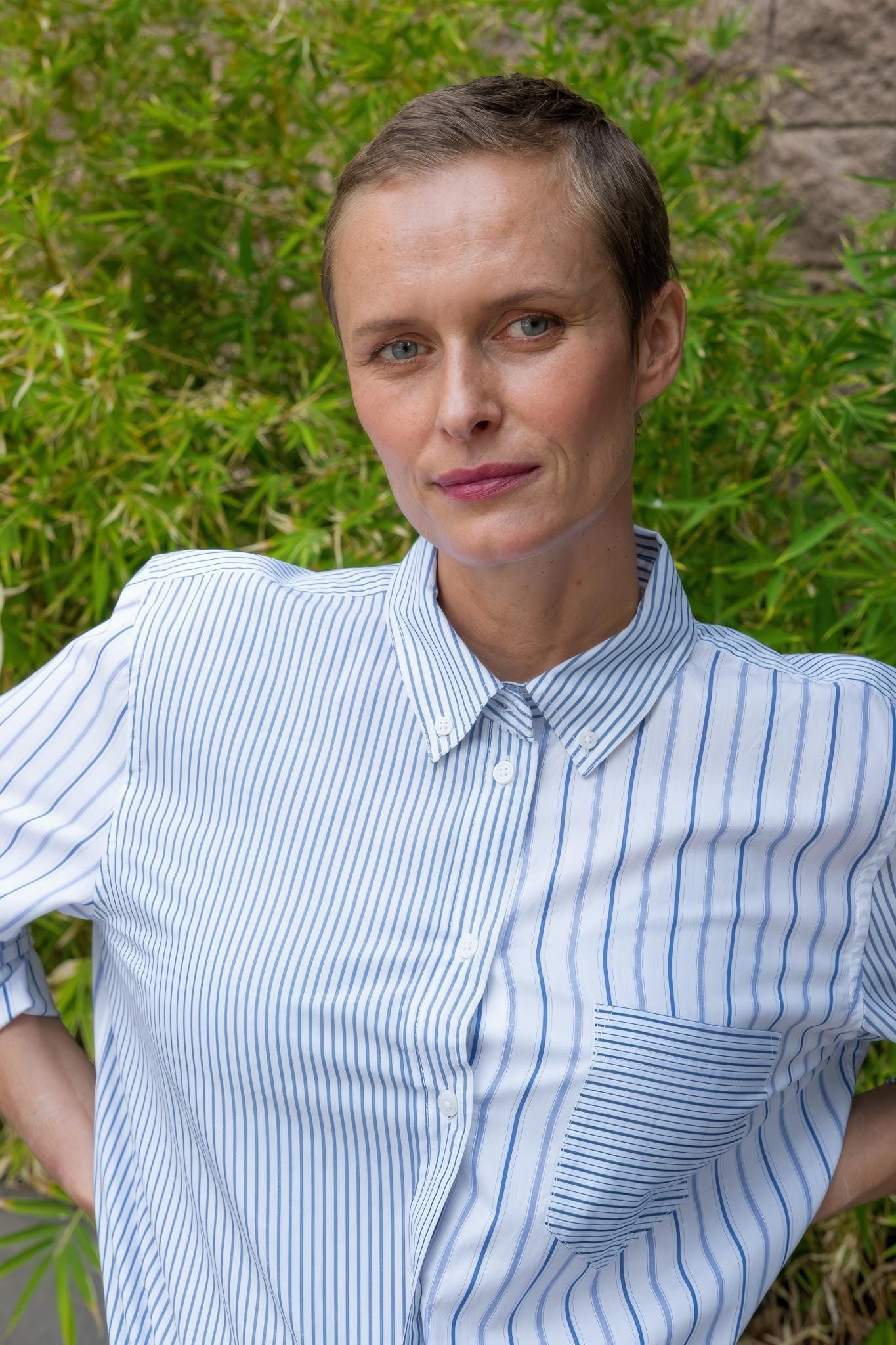
What is most important to realise, Remling says, is that it is not the printers who confer this designation upon themselves. Rather, it is a title bestowed by a profession in order to signify individuals who are trusted carriers of knowledge and tradition. “It is rare that one would think of themself as a master at anything — and printers surely do not,” Remling says. “It is a very humbling profession. You learn every day that you still have a lot to learn, especially if you are an adventurous printer and like to experiment with new approaches and materials as much as possible.”
Established in 1960, the Tamarind Institute took its name from its original address on Tamarind Avenue in Los Angeles. At that time, fine art lithography was seen by many as a dying field, as a slew of other positions had overtaken the contemporary art market and even university art departments were closing their print shops. In light of what they saw as a disappearing art, Tamarind’s founders — June Wayne, Clinton Adams and Garo Antreasian — concentrated first on research and documentation. They then recruited Master printers such as Bohuslav Horak from Czechoslovakia and Marcel Durassier and Serge Lozingot from France — the latter of which was renowned for his collaboration with Jean Dubuffet on his The phenomena series.
Tamarind’s early Master printers undertook collaborations with some of the most exciting artists of the time, including Josef Albers, Louise Nevelson, Ruth Asawa, John McLaughlin and Sam Francis. Their efforts helped spark a renewal of the art market’s interest in lithography. More importantly, they initiated a teaching programme that kept alive the vanishing secrets of some of the most knowledgeable Master printers in the field.
The way those Master printers earned the title is the same as how printers in Tamarind’s famous workshop earn the title today. Says Remling, “I am the Master printer of this particular workshop because I am ultimately the one responsible for the quality of work that we print and the lead person in collaborations with artists. I also mentor and oversee the work of my apprentice. Historically, one starts as an apprentice, works for five to ten years under the workshop’s Master printer and then moves on to become a traveling printer, learning and collecting technical and material knowledge before either starting their own workshop and thus becoming a Master printer, or continuing to work in various shoppes as a Collaborative printer.”
The fact that some Collaborative printers do in fact have the skillset and experience to potentially open their own shoppes blurs the lines between these two titles, Remling says. “Many people call any Collaborative printer a Master printer. The terms can get mixed. Then of course there is the designation of a Tamarind Master printer, a title Tamarind gives to only those who have completed (nowadays) two years of training with us and (historically) would go out and start their own printshop. Personally, I like to call myself a collaborative lithography printer or ‘the work horse/ monkey at Tamarind.’”
Old master printers
The humility with which Remling regards her own expertise is pervasive throughout the Fine Art printing field, where even the most seasoned veterans readily acknowledge how much more they have to learn. It is perhaps a remnant of the larger printing field in general, part of a vast, and perhaps unmasterable, ancient craft tradition. The earliest printing processes date back more than 5,000 years to cultures in the Fertile Crescent. The first prints on paper were Chinese woodcuts dating back 2,000+ years. Fine Art printing normally dates to around the 15th century, when printing technologies became widely available throughout the world.
Within the Fine art space, the term “Old master print” does not mean it is an old print made by a Master printer. Rather, it is used to disseminate between prints created by Old Master artists and prints created for other decorative or utilitarian reasons. Most Old masters did not collaborate with others to create their prints. Rembrandt, for example, owned his own equipment with which he made his own etchings and dry-points. By the 18th century many more artists had become interested in printmaking and a need for specialists in various printing techniques arose, giving rise to such a thing as a Fine art master printer. In order to distinguish whether a printer was truly an expert at their craft, a system of guilds emerged to designate different levels of knowledge, such as journeymen, apprentices and finally masters, who could become shop owners.
In most printing fields and in most of the world, this old system of guilds and technical designations has gone away. Even within the fine art field, most printers today, like Remling, are humble enough in the face of how much there is to learn to be happy to call themselves a “work horse” rather than a master of anything. Nonetheless, Remling says, “If someone is skilled enough to lithographically reproduce an image originally made in another medium, then that alone is an achievement worth recognising.”
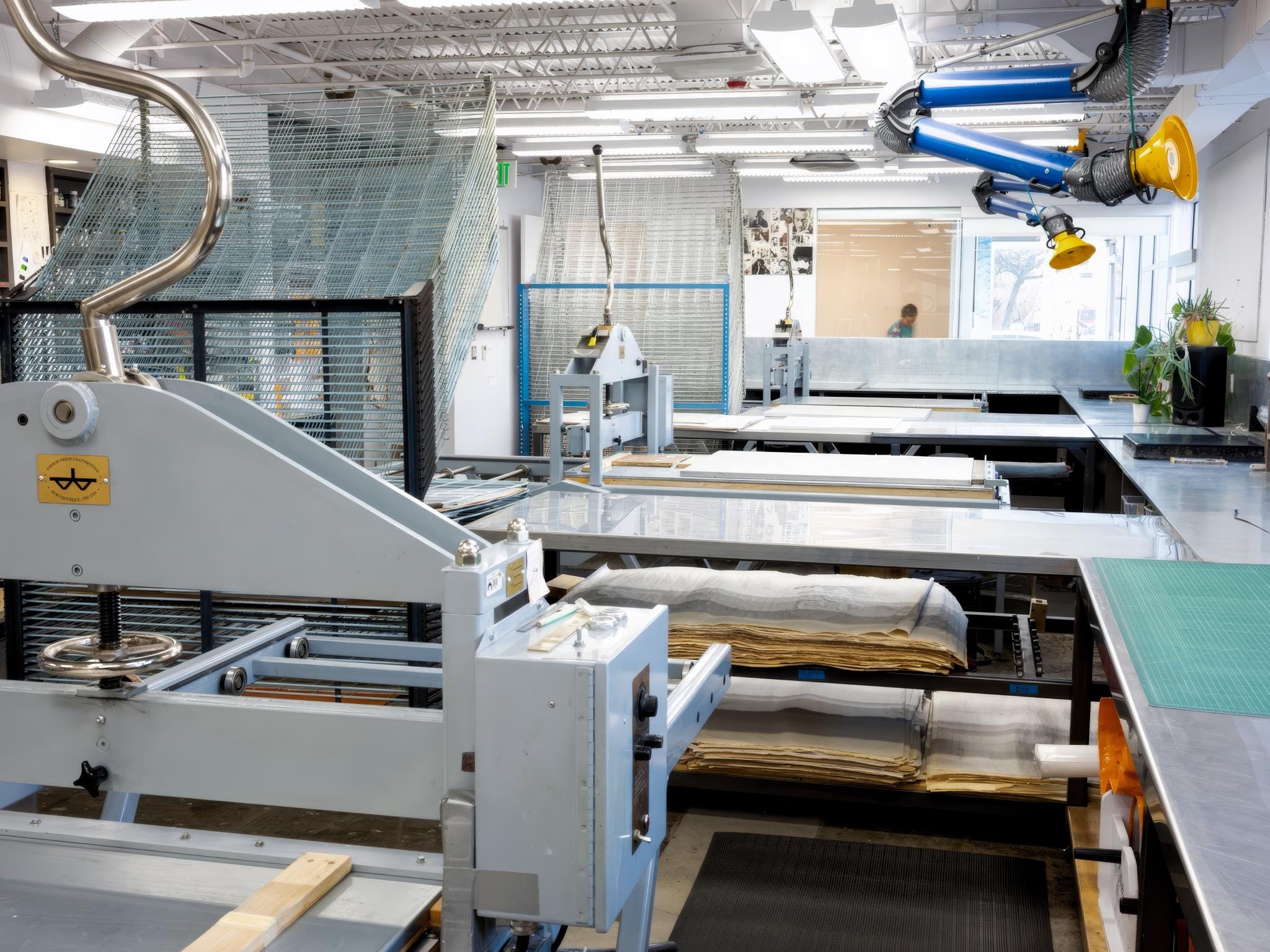
Nonetheless, Diana Gaston, the current and 4th Director of Tamarind Institute, says it is as important today as ever to maintain a rigorous technical training system within the printing field, including relevant designations such as Master printer. “Tamarind Institute’s primary mission is to provide advanced training in lithography to ensure that the field maintains a pool of skilled printers and educators,” Gaston says. “A critical part of our mission is also to engage contemporary artists in the process of collaborative printmaking, which in turn provides ongoing challenges for our printers to meet during the course of the collaboration and editioning. The broad range of artists we bring to Tamarind, many who have no previous experience in printmaking, maintains a certain skill level in the workshop. The artists are essential to our printers being able to hone their skills and continually advance the medium through experimentation.”
Uniquely valuable
Since 1970, Tamarind has been affiliated with the University of New Mexico in Albuquerque. That university connection has allowed for the creation and maintenance of an extensive archive and library, which helps Tamarind’s students understand the long history of printing. One of the biggest misunderstandings about that history — a misunderstanding still prevalent among artists, collectors and dealers — is how to distinguish the difference between a so-called multiple or an artwork that is part of an edition and what the market refers to as an original or unique work.
“Artists come to us to collaborate and create original work in lithography,” Remling says. “Each run, each colour and each impression are individually inked and passed through the press. An original lithograph is merely a piece of art that was created in the medium of lithography and like any other medium it has its advantages and disadvantages. One advantage is the possibility of the multiple — but it is just that, a possibility. A lithograph can exist as a unique piece, though the method of creation remains the same as a lithograph that was editioned.” Even if multiple prints are created, and each of those prints is almost identical, the essential nature of printing inevitably results in tiny inconsistencies between prints. Individual works within the edition are thus, for many reasons, considered original and unique, even though several have been made.
Collaboration between an artist and a printer is another misunderstood realm. Some collectors believe that an artist-made print is more valuable because they are the only one involved in its making. However, rather than diminishing the value of the work, a collaboration with a particular printer can add value, depending on the knowledge and skill of that collaborator. “Collaborative printmaking is truly its own field,” Remling says. “There are wonderful artists and printmakers that create and print their own work beautifully. Then there are artists who collaborate with a printer to create the work. Lithography is quite tedious and requires many special tools and materials, and it is not possible for every artist to have their own studio. In addition, lithography can be quite difficult to master. This is why artists have traditionally worked with printers when it comes to lithography.”
In addition to the technical know-how, a Master printer can bring knowledge of specific materials and other ideas to the table that can help an artist realise new ways they might be able to accomplish a project. “Someone who knows paper and ink, especially the lithographic inks and their mixing, can be a huge asset to an artist normally working in another medium,” Remling says. Most importantly, she points out that working collaboratively is a fun and challenging way to approach an artistic project. “For any artist, it’s a big shift from their often solo studio time,” she says.
Whatever we call that person who helped an artist realise their artistic goal — Master printer, Collaborative printer, or work horse/monkey — Remling says the important thing for artist, dealers and collectors to recognise is that collaborative printmaking allows for a unique kind of back and forth, and the freedom to try something new. That spirit is what makes the fruit of a particular collaboration between artist and printer unique and valuable for everyone involved.